ຂປລ
On December 25, the Guangxi Botanical Garden of Medicinal Plants in China announced that 2025 marks the tenth anniversary of its cooperation with the Food and Drug Department of the Ministry of Health and the Institute of Traditional Medicine of Laos. Over the past decade, this bilateral partnership has achieved significant results, elevating traditional medicine cooperation between China and Laos and contributing to the building of a global community of health for all.
Traditional medicinal plants are a vital component of Lao traditional medicine, with a long history and rich cultural heritage. To promote the standardization, broader application, and industrial development of Lao traditional medicines, the Guangxi Botanical Garden of Medicinal Plants signed a Memorandum of Cooperation on the Conservation and Sustainable Development of Medicinal Plant Resources with the Lao Institute of Traditional Medicine in 2016. This agreement initiated collaboration in areas such as personnel training, academic exchanges, and scientific research.
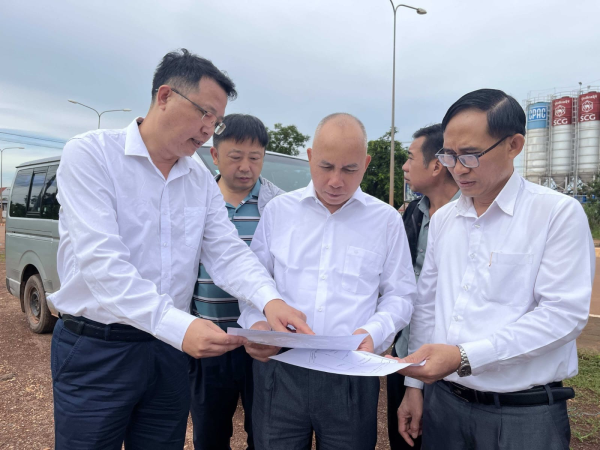
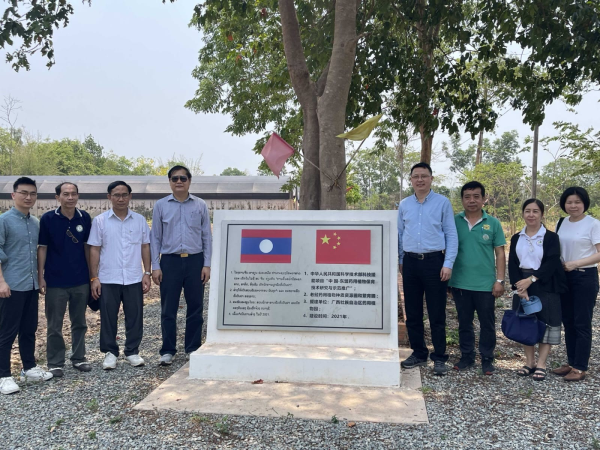
Over the past decade, the Guangxi Botanical Garden of Medicinal Plants has carried out multiple comprehensive surveys of medicinal plant resources in Laos. Based on these surveys, experts from both countries jointly compiled Lao Herbal Pharmacopoeia (Volume I)—the first herbal pharmacopoeia in the country’s history. In addition, the Guangxi Botanical Garden of Medicinal Plants signed a Cooperation Agreement with the Institute of Traditional Medicine of the Ministry of Health of the Lao PDR to jointly build the National Medicinal Botanical Garden of Laos. To date, the preliminary design plan and the Chinese-language feasibility study for the project have been completed. The Guangxi Botanical Garden of Medicinal Plants has also assisted Laos in establishing medicinal plant germplasm resource nurseries and propagation nurseries, laying a solid foundation for the future national botanical garden.
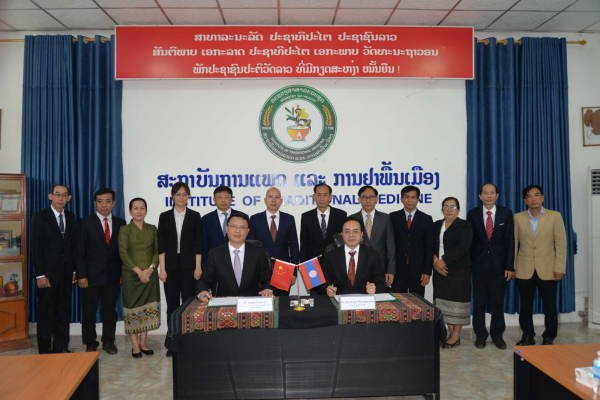
Following the signing of the Cooperation Agreement on the Publication of Lao Herbal Pharmacopoeia (Volume II) in August 2024, the Guangxi Botanical Garden of Medicinal Plants has actively advanced the compilation process. New areas of cooperation have also been identified, including inviting high-level Lao professionals for work exchanges and strengthening efforts to conserve medicinal plant resources.
As a key element of traditional medicine cooperation between China and Laos, the Guangxi Botanical Garden of Medicinal Plantshas placed strong emphasis on the compilation of Lao Herbal Pharmacopoeia (Volume II). To date, global quality management standards for 83 medicinal materials have been completed, and a publication agreement has been signed.
Over the past ten years, the Guangxi Botanical Garden of Medicinal Plants has organized multiple training programs for Lao officials and technical experts, covering topics such as traditional medicine policy, resource surveys, and testing technologies. These programs have trained more than 100 professionals in the field of traditional medicine. In April this year, the GBGMP hosted Mr. Khamphanh Thepkaysone, Director of the Research and Development Center of the Institute of Traditional Medicine of Laos, for a two-month professional exchange. This visit further strengthened cooperation in medicinal plant research and promoted the development, utilization, and revitalization of traditional medicine resources in both countries.
Zhang Zhanjiang, Secretary of the Party Committee and Director of the Guangxi Botanical Garden of Medicinal Plants, stated that the garden will continue to share its expertise and resources in medicinal plant research and standard-setting with Laos, jointly advancing the preservation, innovation, and sustainable development of regional traditional medicine.
By: Yang Chen; Correspondents: Shen Yuanyuan, Bai Danyu
KPL

