ຂປລ
An ancient Chinese decorative art dating back more than 3,000 years is gaining renewed popularity as artisans blend traditional craftsmanship with contemporary design to preserve one of the country's nationally recognized intangible cultural heritage practices.
.jpeg)
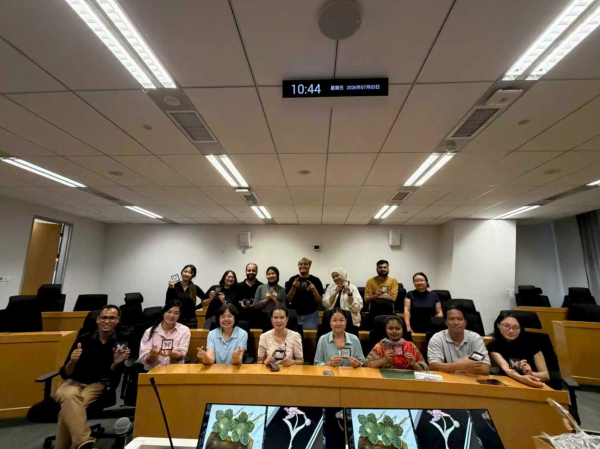
During a cultural exchange programme at Renmin University of China on July 3, journalists from across the Asia-Pacific region learned about Luodian (mother-of-pearl inlay), a centuries-old technique that involves embedding finely polished shell into wood or lacquer to create intricate patterns of flowers, birds, landscapes, and geometric designs.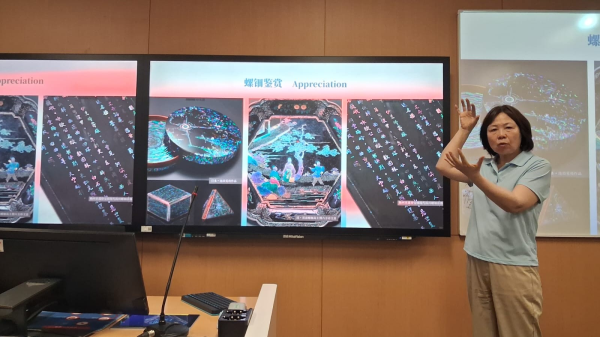
According to instructor Shi, mother-of-pearl inlay has long symbolized prosperity, longevity, happiness, and good fortune in Chinese culture. The craft flourished during the Tang Dynasty, when it decorated imperial furniture, musical instruments, and luxury items used by royalty and nobility.
Today, artisans are adapting the traditional technique for modern markets while preserving its original craftsmanship. Once used mainly for furniture and lacquerware, Luodian is now incorporated into jewelry, fashion accessories, decorative artworks, and diplomatic gifts.
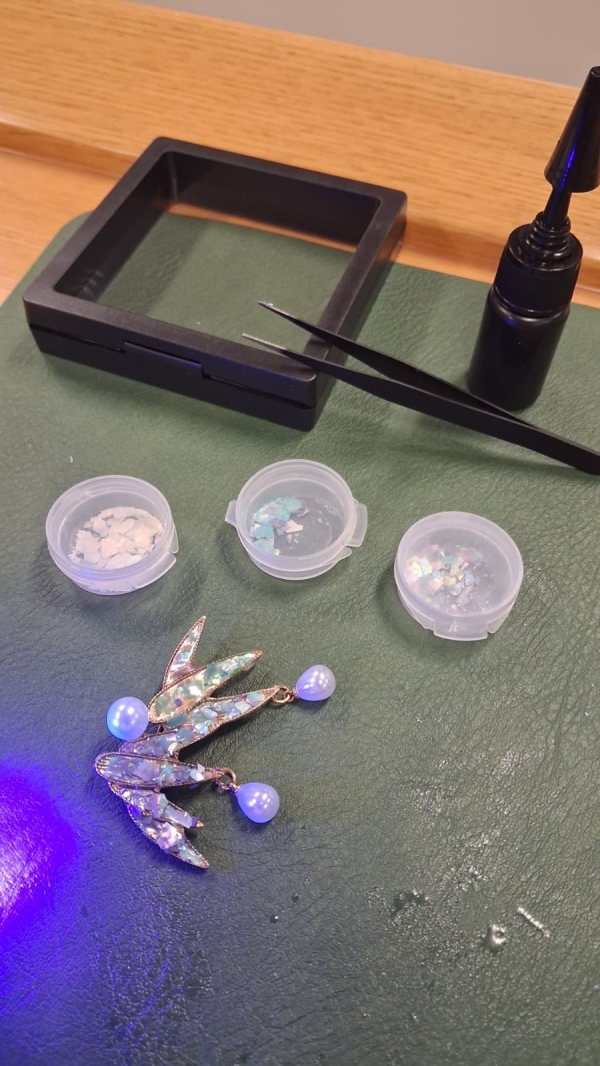
Although each handcrafted piece can take up to two months to complete due to the painstaking process of applying multiple layers of natural lacquer and precisely setting each shell fragment, demand for high-quality handmade products continues to grow.
China has strengthened efforts to safeguard the craft by recognizing regional schools of mother-of-pearl inlay, including those in Quanzhou and Jishan, as national intangible cultural heritage. Through exhibitions, educational exchanges, and cultural promotion, the country aims to ensure the centuries-old art continues to thrive while introducing its unique beauty and cultural significance to audiences around the world.
KPL

