ຂປລ
Standing in the cool mist of Tad Gneuang Waterfall, in southern Laos, it is easy to be impressed by the sheer power of nature. But for many visitors, the lasting impression comes not only from the waterfall itself, but from the people who live alongside it.

Located in Champasak Province, Tad Gneuang has become a model for community-based tourism—where natural beauty, local culture and livelihoods are closely linked.
Tourism built on partnership
For more than ten years, the site has been developed by Sonthida Unaphom, who says Tad Gneuang is not simply a tourist attraction, but a shared home.
Rather than separating tourism from daily life, the project integrates local ethnic communities from the Paksong Highlands into every aspect of the visitor experience.
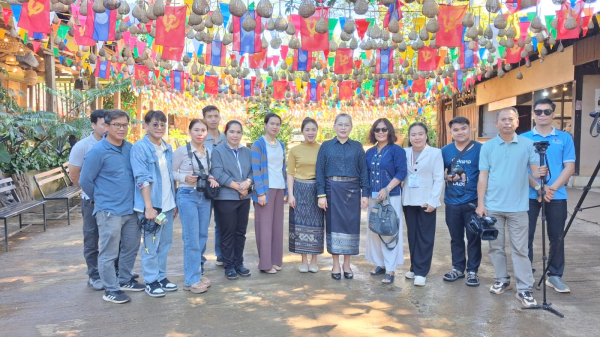
Elders weave textiles and carve wood using traditional techniques, while nearby farmers supply organic vegetables and fruit to restaurants at the site. These products come mainly from Lak 40 village, a community whose economy is closely tied to the surrounding forest and farmland.
During the harvest season, the scent of coffee drifts through the area. Paksong is widely known for producing some of Laos’ best coffee, and visitors can watch families picking, processing and drying beans using methods passed down through generations.
According to Ms Sonthida, this connection between land, work and visitors is central to the Tad Gneuang experience.
“People should not feel like they are visiting a place,” she says. “They should feel like they are coming home.”

From 2026, visitors will be invited to take part more directly in local production. Plans include live tea and coffee roasting stations, run by village families on a rotating basis.
Tourists will be able to learn how beans and leaves are roasted over traditional stoves, before tasting the final drink while overlooking the waterfall. The aim, organisers say, is to add value to local products and ensure more income stays within the community.
Tad Gneuang has received high ratings on international travel platforms, reflecting not only its dramatic setting but also its service and sense of welcome.
In a region where tourism is growing rapidly, the site offers a slower, more personal alternative—one that links conservation, culture and economic opportunity.
For visitors, Tad Gneuang is more than a photograph or a landmark. It is an encounter with a community, shaped by water, land and tradition, and keen to share its way of life.
KPL

