ຂປລ
Art and education are emerging as powerful bridges between China and Southeast Asia, as more than 20 ASEAN media representatives visited Guangxi Arts University on September 16 to explore how creativity and cultural heritage can bring communities closer across borders.
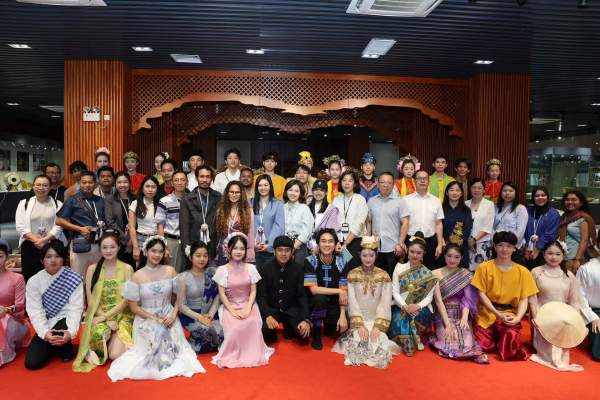
The visit gave journalists from ASEAN countries an opportunity to experience first-hand the university's artistic environment, meet students and educators, and discover how arts education is being used to nurture young talent while promoting cultural understanding and international exchange.
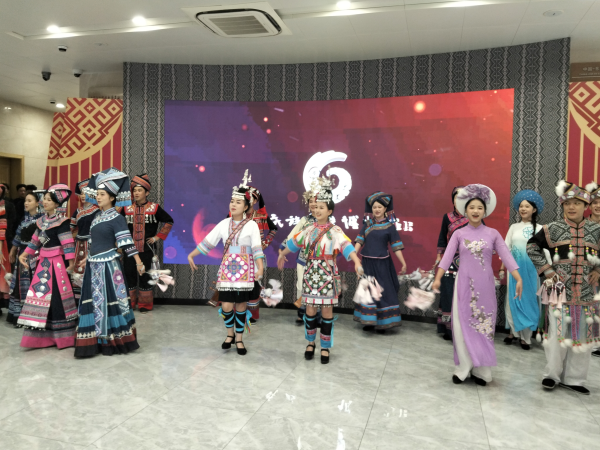
From visual arts and music to dance, design and other creative disciplines, the visiting media toured university facilities and gained a glimpse into the daily lives of students pursuing careers in the arts.
The experience also offered a different perspective on China — one where classrooms, museums and creative spaces serve as platforms for people-to-people connections.
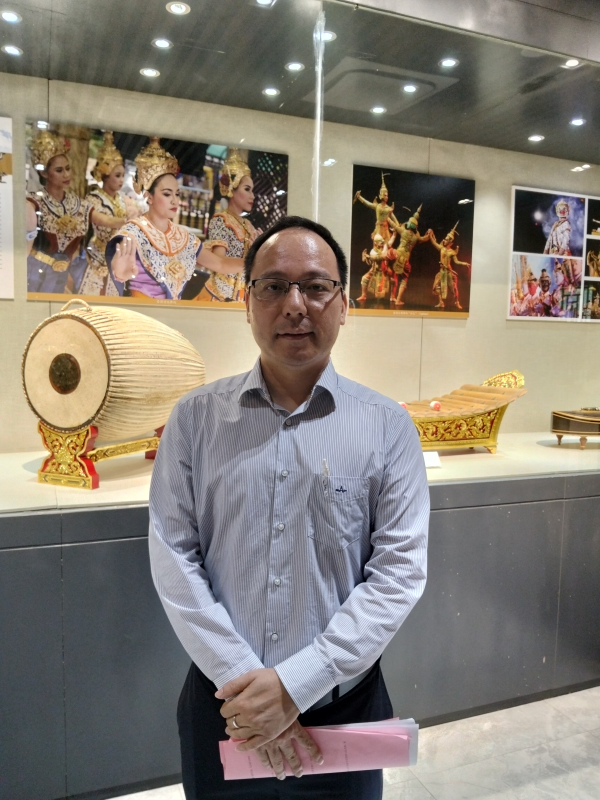
Speaking to the ASEAN media, Li Tiansheng, PhD, a lecturer at the International Education Center of Guangxi Arts University, said the university has about 13,000 students, including 90 international students.
The foreign students come from countries including Laos, Thailand, Indonesia, Myanmar, Malaysia and Vietnam, reflecting the university's growing links with Southeast Asia.
The university also has international teachers from Malaysia, Canada, Indonesia, the Republic of Korea, France, Vietnam, the United States and Thailand.
The diverse community creates opportunities for students and teachers from different cultural backgrounds to learn from one another and develop new perspectives through the arts.
A meeting place for cultures
Guangxi Arts University is one of eight comprehensive arts institutions of higher learning in China. It is jointly established by the Ministry of Culture and Tourism and the People's Government of Guangxi Zhuang Autonomous Region.
The university is also a project university for the addition of new doctoral degree-granting units in Guangxi.
With a long history, the university now has three campuses — Nanhu, Xiangsihu and Guilin — covering a total area of approximately 40.7 hectares.
Among its notable cultural initiatives is the China-ASEAN Art Museum Cluster, which has been recommended as one of the first batch of practice bases for Chinese and international youth social activities.
The cluster reflects the university's emphasis on connecting Chinese and Southeast Asian artistic traditions and providing young people with opportunities to experience different cultures.
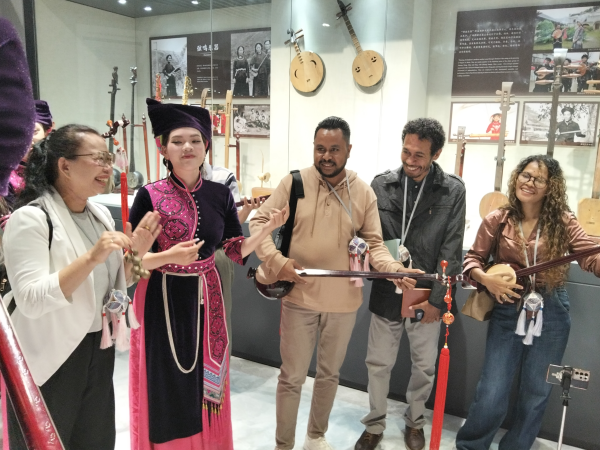
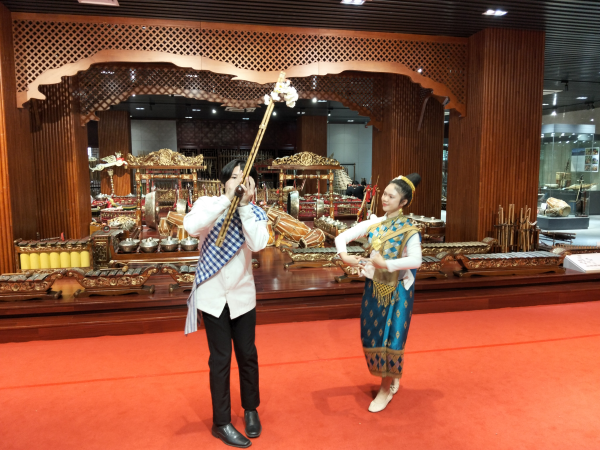
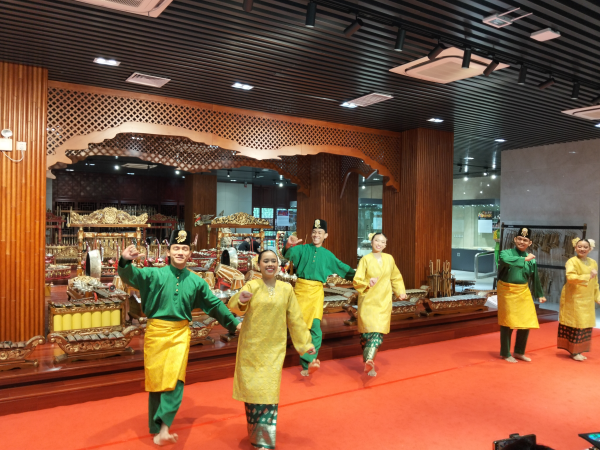
One of the highlights of the media visit was the Guangxi Ethnic Music Museum, an important cultural platform showcasing the musical traditions of Guangxi and Southeast Asia.
Established in June 2015 as a project approved by the People's Government of Guangxi Zhuang Autonomous Region, the museum is located at the university's Nanhu Campus.
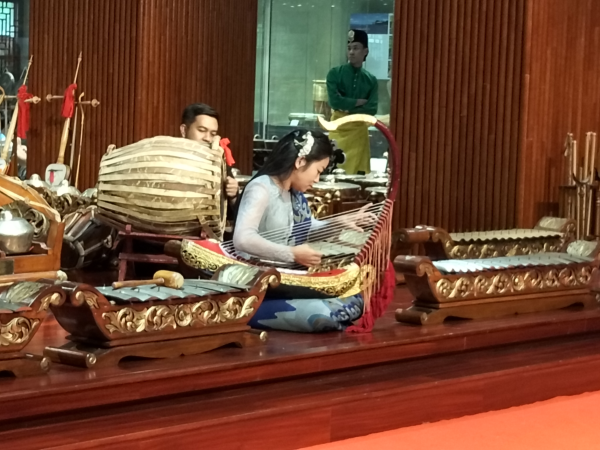
Covering about 2,600 square metres, it officially opened to the public in October 2018.
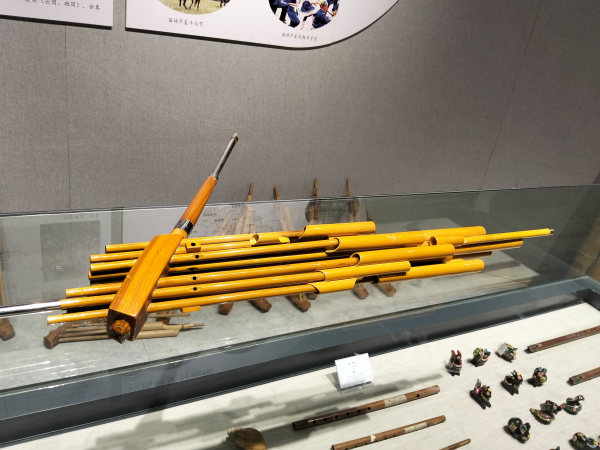
The museum evolved from the university's former Guangxi Ethnic Folk Art Collection Hall and currently houses more than 1,600 items and sets, including traditional musical instruments, songbooks, scores, manuscripts, musical illustrations and audio-visual materials.
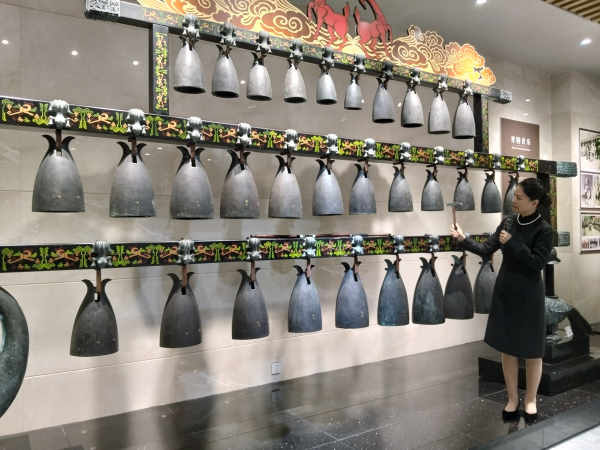
It has also been recognized as one of the first batch of Guangxi Science Popularization Education Bases.
Of particular interest to the ASEAN journalists was its collection of Southeast Asian musical instruments. The museum houses what the university describes as the largest collection of ASEAN musical instruments among Chinese universities.
The collection provides visitors with a unique opportunity to explore the musical heritage of Southeast Asia while understanding its connections with the diverse ethnic musical traditions of Guangxi.
For the visiting journalists, the university offered more than an educational tour.
It provided an opportunity to examine how universities can become important spaces for cultural diplomacy and people-to-people exchange.
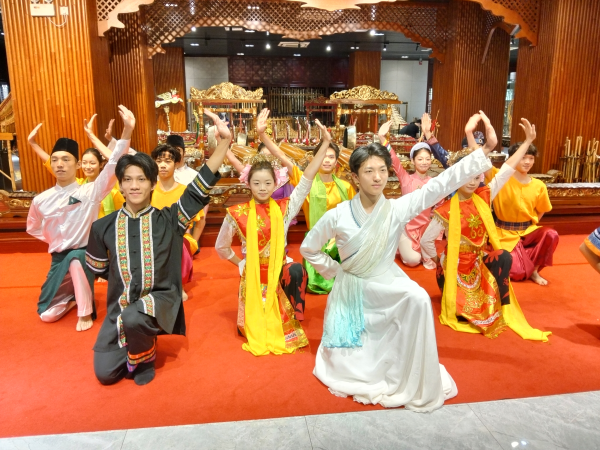
Students from ASEAN countries studying alongside Chinese students can exchange experiences, artistic ideas and cultural traditions. Teachers from different countries can similarly introduce new approaches to teaching and artistic practice.
Such encounters can create relationships that extend beyond the university, potentially leading to future artistic collaborations, educational partnerships and cultural exchanges.
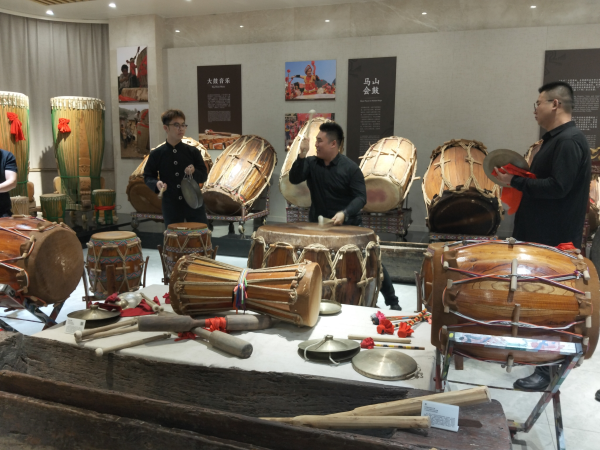
The visit highlighted the power of art to cross linguistic and cultural boundaries.
A traditional song can tell the story of a community. A musical instrument can preserve generations of cultural memory. A dance can communicate emotions without words. And a painting can offer a window into a society's history and identity.
As ASEAN and China continue to deepen people-to-people ties, these forms of cultural exchange can provide a foundation for greater mutual understanding.
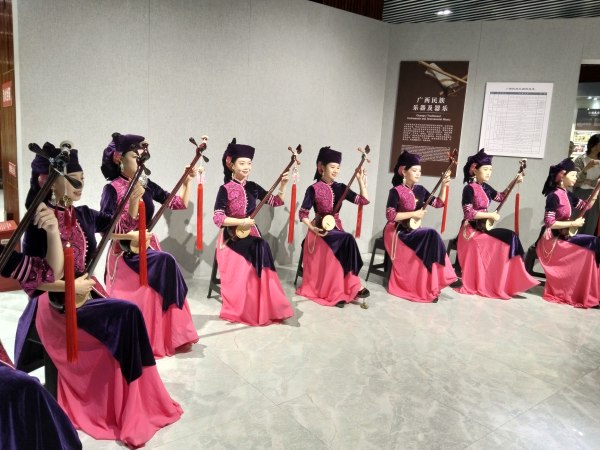
Guangxi, with its geographical and cultural links to Southeast Asia, is well positioned to serve as an important meeting point for such exchanges.
The experience at Guangxi Arts University demonstrated that cultural diplomacy does not take place only in conference rooms or through official agreements. It can also happen in classrooms, museums, studios and performance halls — wherever people come together to create and share.
For the ASEAN media representatives, the visit offered a closer look at a side of China where education, creativity and cultural heritage converge to build friendships across borders.
Ultimately, the message from Guangxi Arts University was clear: cultures may have different traditions and identities, but through art, people can find a shared language — one capable of turning cultural differences into opportunities for understanding, cooperation and friendship.
Special thanks to China International Press Communication Centre for organizing the event.
KPL

