ຂປລ
Laos has set a target of achieving annual economic growth of at least 6% under its 10th National Socio-Economic Development Plan covering the period from 2026 to 2030.
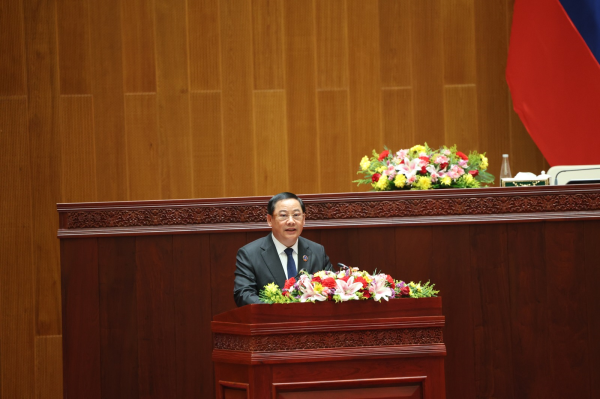
Laos has set a target of achieving annual economic growth of at least 6% under its 10th National Socio-Economic Development Plan covering the period from 2026 to 2030.
The government also aims to increase GDP per capita to $3,104 and Gross National Income (GNI) per capita to $2,914 by the end of the plan.
Prime Minister Sonexay Siphandone presented the strategy at the opening session of the 10th National Assembly on 23 March, chaired by Xaysomphone Phomvihane.
The plan outlines six priority areas supported by a total of 230 projects, as the government seeks to promote steady growth and long-term economic stability.
Six development priorities
The first priority focuses on building a more independent and self-reliant economy by strengthening domestic capacity and ensuring sustainable growth. This area includes 74 priority projects.
Human resource development and the adoption of modern technology form the second priority, with 31 projects aimed at improving workforce skills and productivity.
Improving livelihoods and reducing poverty is the third focus, supported by 23 projects targeting balanced development between urban and rural areas.
Environmental sustainability and climate resilience are also central to the plan. Thirteen projects have been identified to protect natural resources and address the impact of climate change.
The fifth priority emphasises regional and international integration, with 64 projects aimed at enhancing connectivity and cooperation.
The final priority focuses on governance, stability and justice, with 25 projects designed to improve public administration, maintain social order and strengthen the rule of law.
Project overview
In total, the plan includes 230 priority projects, comprising 61 ongoing initiatives and 169 new projects.
Officials say the programme is intended to guide Laos towards its long-term development goals and strengthen its position in the regional and global economy.
KPL

