ຂປລ
Ambassador of Japan to the Lao PDR, the FAO Representative, and the Director General of the Ministry of Agriculture and Environment (MAE) conducted a joint high-level field mission to project sites as the Food and Agriculture Organization of the United Nations (FAO) and the Japan completed 31 irrigation systems and 17 road infrastructure projects across Luang Prabang Province and Oudomxay Province under the Livelihood Resilience in Rural Areas (LRRA) Project, directly benefiting more than 1,200 farming households.
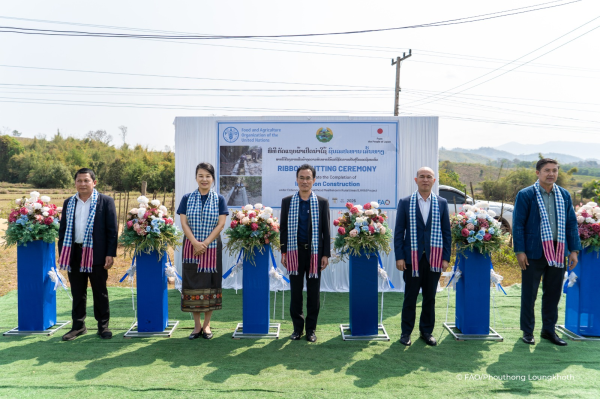
A rural development project supported by the Government of Japan has significantly improved agricultural productivity and livelihoods in northern Laos, benefiting communities in Luang Prabang Province and Oudomxay Province.
The Food and Agriculture Organization of the United Nations (FAO), in partnership with the Government of Japan and the Lao Ministry of Agriculture and Environment, has successfully completed 31 small-scale irrigation systems and 17 rural road improvement projects across 48 villages under the Livelihood Resilience in Rural Areas (LRRA) Project.
Funded by a grant of USD 1.4 million from the Government of Japan, the initiative has strengthened agricultural capacity and improved access for farmers in some of Laos’ most vulnerable rural communities.
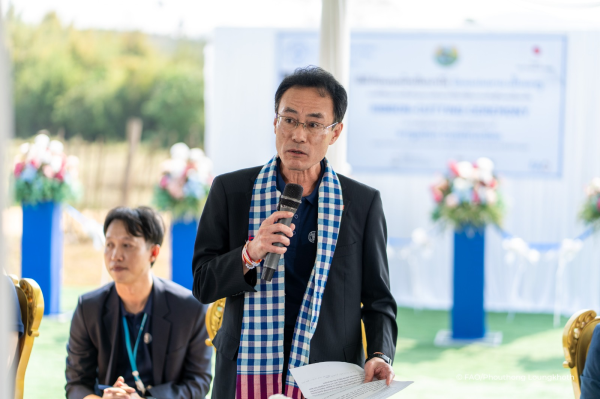
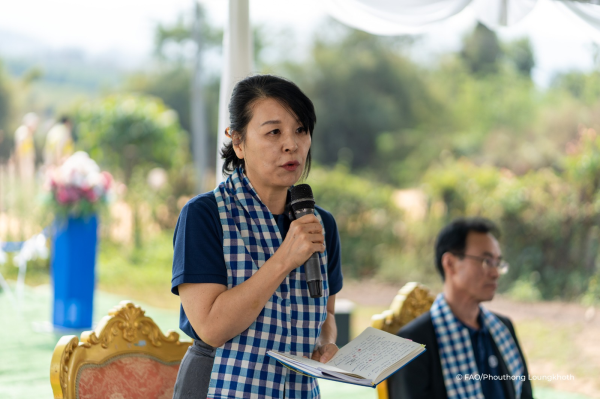
To mark the project’s completion, Tsutomu Koizumi, Ambassador of Japan to the Lao PDR; Kyung-Mee Kim, FAO Representative to the Lao PDR; and Boundeth Southavilay, Director General of the Department of Planning and Cooperation at the Lao Ministry of Agriculture and Environment, conducted a joint field mission to project sites.
The delegation visited villages in Beng District of Oudomxay Province and across Luang Prabang Province, including Na Ngua Village, where they met farming households who directly benefited from the project.
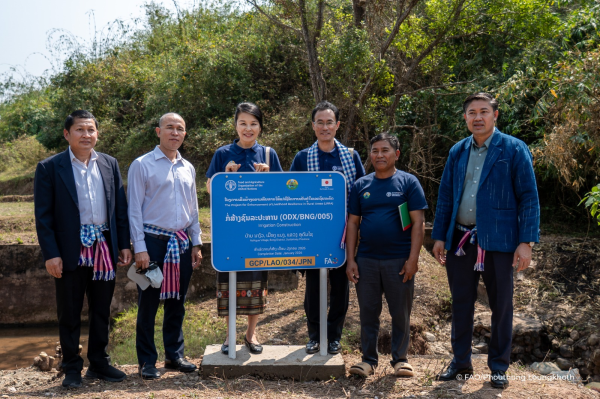
During the visit, the officials inspected newly completed irrigation facilities and rural roads, and observed how the improved infrastructure now supports rice cultivation in both the rainy and dry seasons. The delegation also engaged with village leaders and participants in Cash-for-Work activities who helped construct the infrastructure.
The field mission brought together representatives from the donor government, the implementing United Nations agency, and the Lao government in a joint effort to review the results of the project and highlight the importance of community-centred development cooperation.

According to FAO Representative Kyung-Mee Kim, the completion of the irrigation and road infrastructure demonstrates the positive impact of strong collaboration between governments, international organizations, and local communities.
“The completion of these irrigation and road infrastructure projects is a testament to what can be achieved when governments, international organizations, and local communities work hand in hand,” she said, noting that Japan’s support has helped build resilience and strengthen food security for thousands of rural families.
Ambassador Tsutomu Koizumi reaffirmed Japan’s commitment to supporting rural development in Laos, emphasizing that investment in small-scale irrigation and rural infrastructure plays a crucial role in reducing poverty, improving nutrition, and strengthening resilience against climate-related challenges.
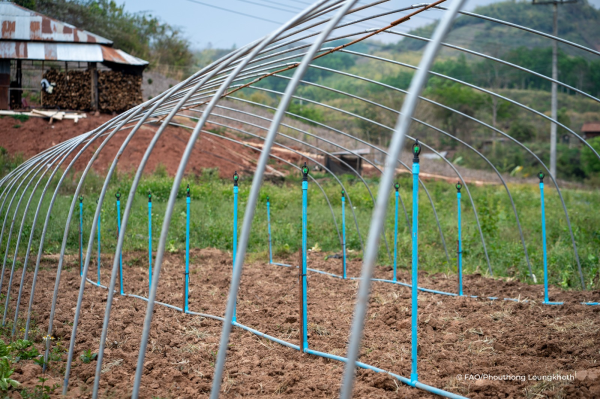
Meanwhile, Boundeth Southavilay highlighted the importance of maintaining the newly built infrastructure to ensure long-term benefits for local communities. He encouraged provincial and district authorities to take responsibility for the management and upkeep of the irrigation systems and road crossings.
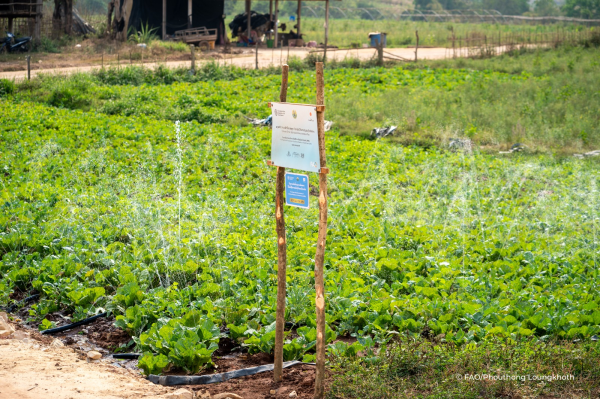
The LRRA Project is expected to deliver lasting benefits by improving water access for agriculture, increasing crop yields, and enhancing transportation for rural villages, contributing to sustainable livelihoods and stronger food security in northern Laos.
KPL

