ຂປລ
Standing once again on the magnificent Great Wall of China, I was reminded that some places are more than landmarks — they are living stories written across the landscape.
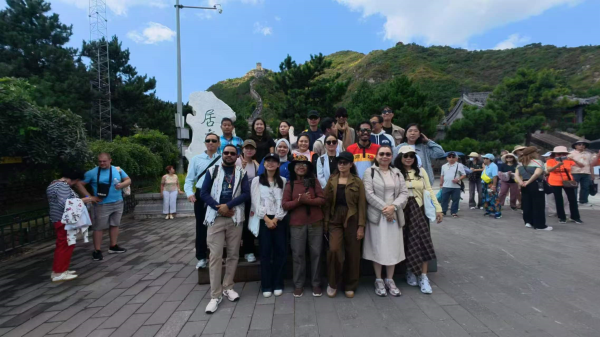
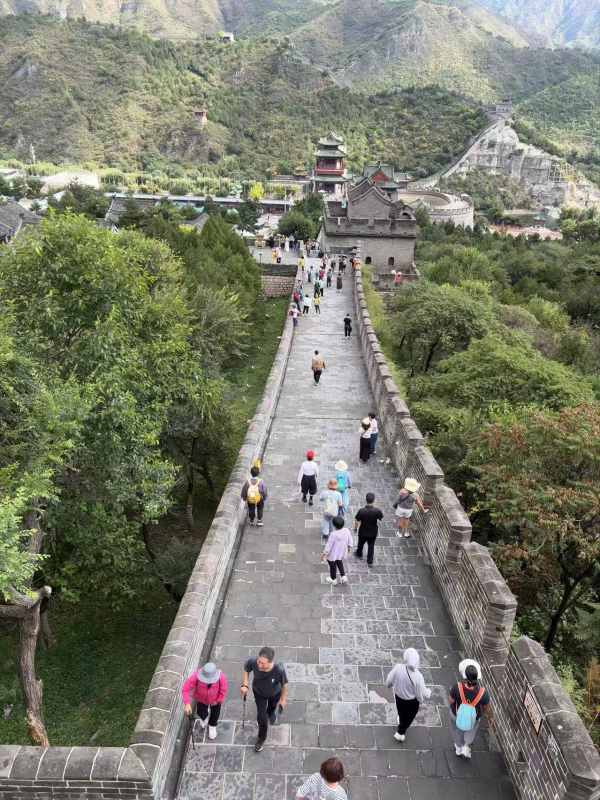
This was my second visit to the Great Wall, yet the sense of wonder was just as powerful as the first time. As I walked along the ancient stone pathway at Juyongguan Pass, surrounded by mountains stretching into the distance, I felt as though I had stepped through a doorway in time.
Every watchtower, stone and winding section of wall seemed to carry echoes of the generations who had walked here centuries before. Looking across the dramatic mountain scenery, it was easy to imagine the soldiers who once stood guard along these formidable defensive walls and the countless people whose lives were connected to their construction and history.
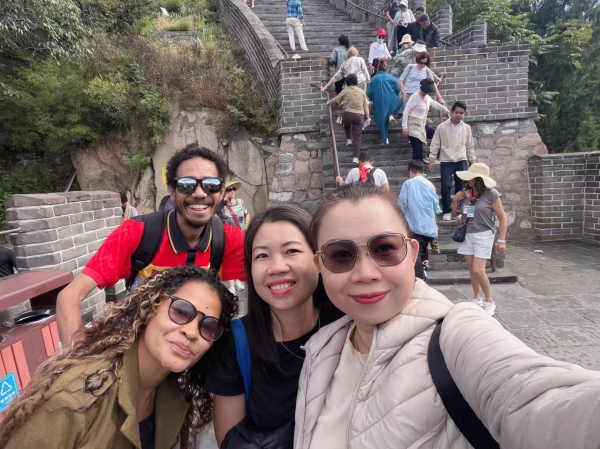
For us, as participants in the ASEAN Media Workshop, the experience was about more than visiting one of China's most famous attractions. It was also an opportunity to experience China's rich cultural heritage while building friendship and understanding among media professionals from across Southeast Asia. We shared conversations, photographs, stories and laughter — creating memories that went beyond the historic walls themselves.
The Great Wall has a history spanning more than 2,000 years. Its earliest sections date back to the Spring and Autumn and Warring States periods, when individual states built walls of earth and stone to protect their territories from invasions and conflicts. During the reign of Qin Shi Huang, the first emperor of the Qin Dynasty, sections of these earlier walls were connected as part of a unified defensive system.
Yet much of the spectacular brick-and-stone structure visitors see around Beijing today was built, rebuilt and strengthened during the Ming Dynasty between the 14th and 17th centuries. The Ming rulers expanded the defenses to confront threats from Mongol and Manchu forces, creating the impressive fortifications that have survived into the modern era.R
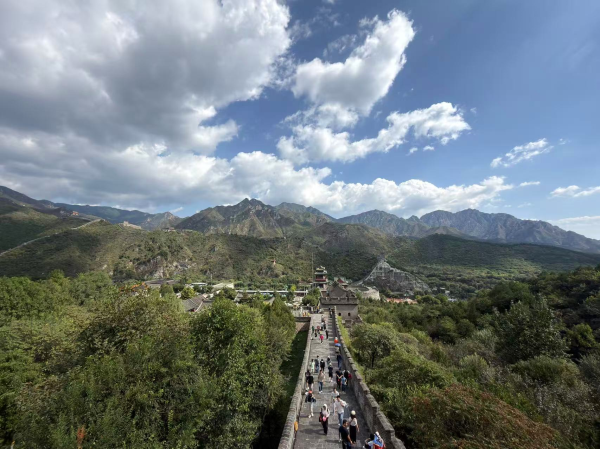
ecognized by UNESCO as a World Heritage property, the Great Wall remains one of the world's most remarkable historic monuments. On September 27, the atmosphere at Juyongguan was especially lively as Chinese and international visitors gathered during the Mid-Autumn Festival holiday. The excitement is expected to grow even further as China prepares for National Day Golden Week, a seven-day holiday beginning October 1.
Popular destinations such as Juyongguan, Badaling, Mutianyu and Simatai are expected to welcome large numbers of visitors.
But beyond the crowds and cameras, the Great Wall continues to offer something timeless: a chance to pause, look across the mountains and feel connected to history.
For me, returning to the Great Wall was not simply a second visit. It was another journey through time — and a memory I will carry long after leaving Beijing.
KPL

