ຂປລ
Few ancient bridges can tell a story as vividly as Anping Bridge, also known as Wuli Bridge, in Quanzhou, Fujian Province, China. Stretching for about 2.5 kilometres across the waters between Jinjiang and Nan'an, this remarkable stone bridge is a living testament to the engineering ingenuity and maritime civilisation of the Song Dynasty.
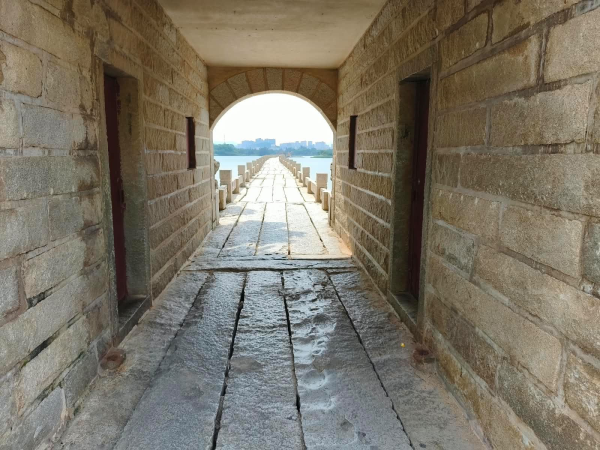
During the ASEAN Media Workshop on September 21, we had the opportunity to visit this extraordinary landmark and experience a piece of history that has stood for more than 870 years.
Construction began in 1138, during the eighth year of the Shaoxing era of the Southern Song Dynasty, and the bridge was completed in 1152 after 14 years of painstaking work. At a time when modern cranes, engines and heavy machinery did not exist, ancient craftsmen found ingenious ways to overcome the enormous challenges of building across tidal waters.
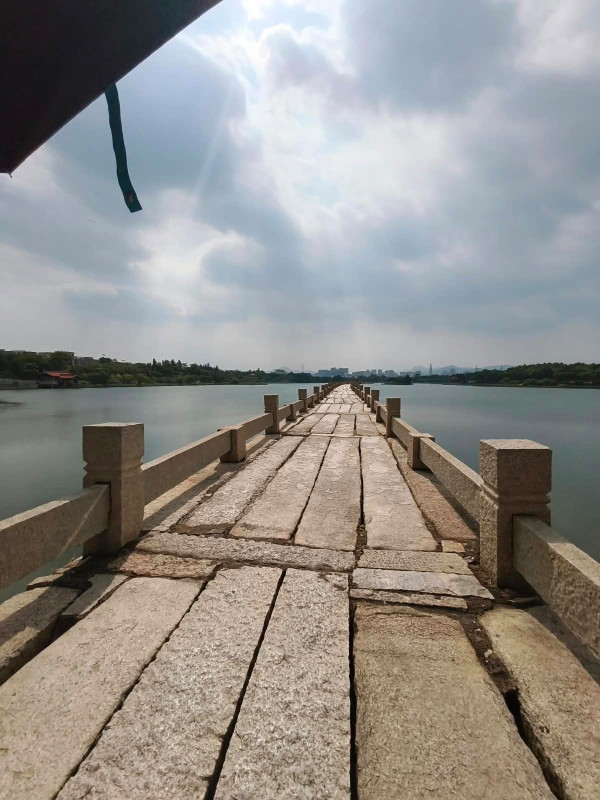
The bridge's massive stone piers were carefully assembled using local construction techniques, while huge stone slabs were transported by boat and raised into position with the help of the tides. As the water rose, boats carrying the heavy stones rose with it, allowing workers to position the slabs on top of the piers. When the tide receded, the boats could simply move away. It was a remarkably clever marriage of human ingenuity and the power of nature.
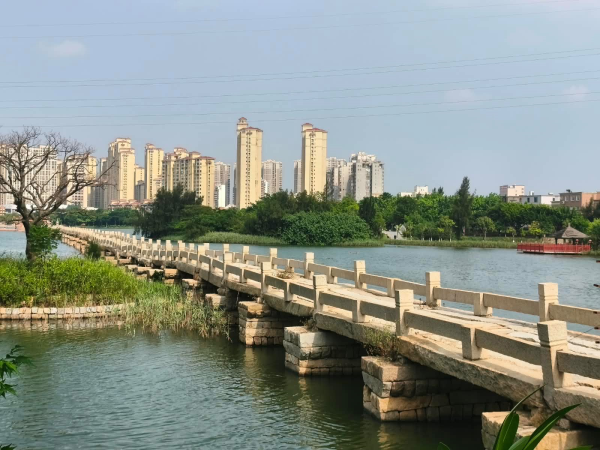
Because of its length—approximately five li—the bridge became popularly known as Wuli Bridge, meaning “Five-Li Bridge.” It is recognised as one of the world's longest surviving medieval beam-type stone bridges and one of China's great ancient port bridges.
The bridge is more than a structure for crossing water. Five pavilions stand along its length, providing places for travellers to rest, while stone towers rise from the water around the bridge. Stone carvings, including guardian figures, add an artistic dimension to the monumental structure.
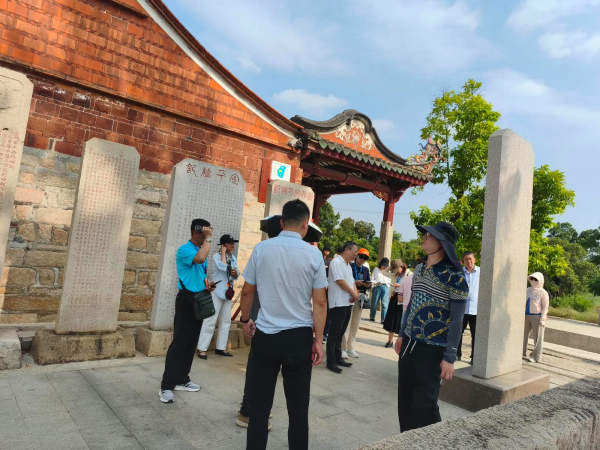
At Shuixin Pavilion, a famous inscription praises the bridge with the words: “No bridge under heaven is as long as this one.” The words capture the pride of generations who regarded Anping Bridge as a symbol of human creativity, perseverance and the flourishing maritime trade of the Maritime Silk Road.
Anping Bridge was designated one of China's First National Key Cultural Relics Protection Units in 1961. In 2021, it became part of the UNESCO World Heritage property “Quanzhou: Emporium of the World in Song-Yuan China,” which recognises Quanzhou's historic role as a major centre of international maritime trade.
Today, the bridge and its surrounding park offer more than a glimpse into the past. The area has been developed as a peaceful place for walking, relaxation and cultural exploration.
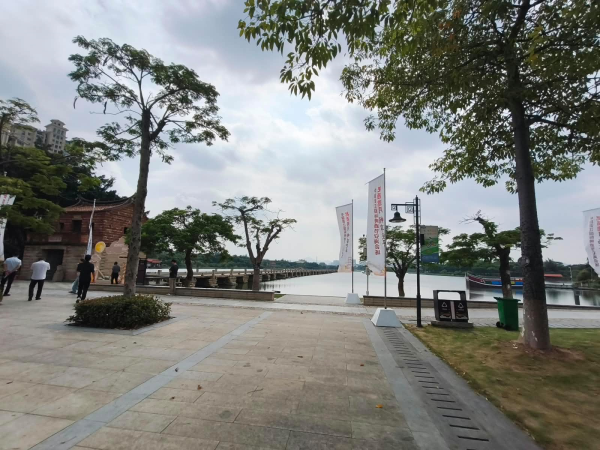
Standing beside its ancient stones, it is easy to imagine the merchants, sailors and travellers who once crossed these waters. Anping Bridge is not simply a bridge connecting two shores—it is a bridge connecting China's past with the present, engineering with art, and people with the centuries-old story of the Maritime Silk Road.
KPL

