ຂປລ
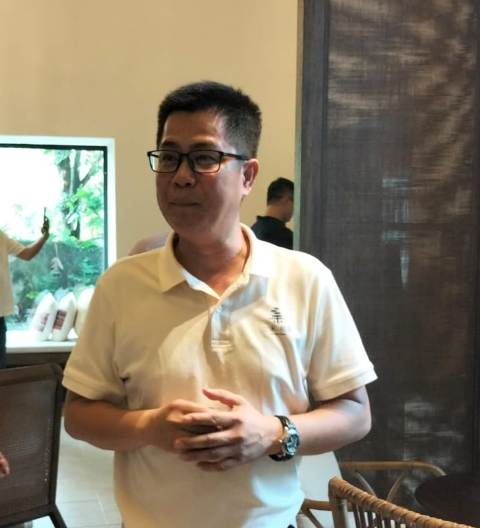
For Mr Lin Weiqiang, General Manager of Sanhe Daoli Spring Resort, Guangzhou White Swan Hotel Management Ltd, the countryside is more than a place of origin. It has become the place where he is helping to build a new future for rural communities.
Born and raised in a rural village, Lin spent the first 18 years of his life in the countryside. Like many families, his grandparents hoped he would leave rural life behind through education and eventually build a career and settle in the city.
In the 1990s, he began his hospitality career at the White Swan Hotel, China’s first five-star hotel, where he worked for 12 years. He later gained experience with leading international hospitality groups, including Accor, The Ritz-Carlton, Starwood, Marriott and Rosewood.
Those years gave Lin a broad understanding of international standards in hospitality and service. But as Qingyuan’s rural revitalisation gathered momentum, he began to see new opportunities in his hometown.

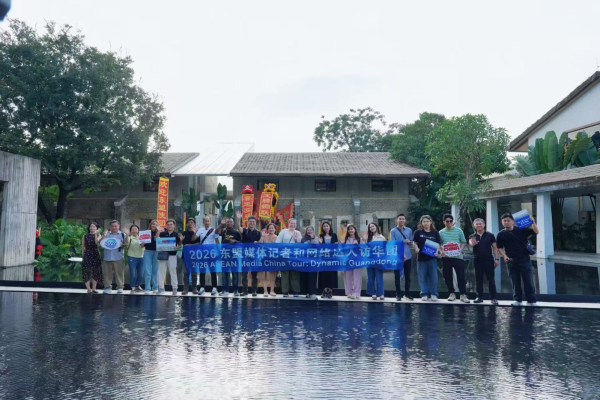
“In recent years, cities have continued to build interchangeable skyscrapers,” Lin said in an interview with journalists from the ASEAN-China Media Tour. “But my hometown Qingyuan, with its sunrises over the Bei River, rice paddies and the distinctive flavour of Qingyuan partridge chicken, has become an ideal sanctuary for urban residents.”
In early 2025, Lin returned to Qingxin District and joined the operation and development of Sanhe Daoli Homestay, bringing his international hospitality experience back to the countryside.
The project demonstrates how rural tourism can combine modern service standards with local identity. While urban hotels depend heavily on standardised operations, rural homestays draw their appeal from local culture, landscapes and community warmth.
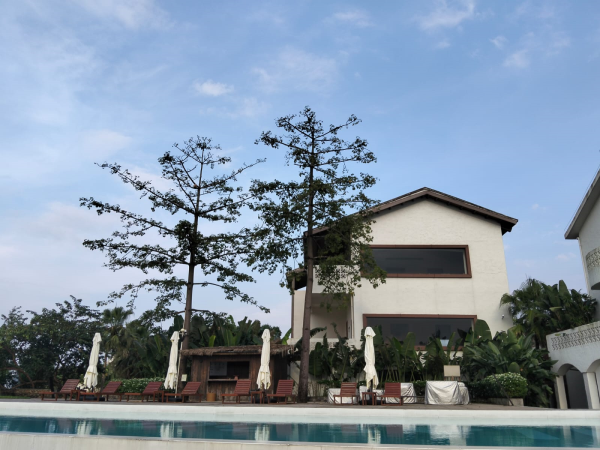
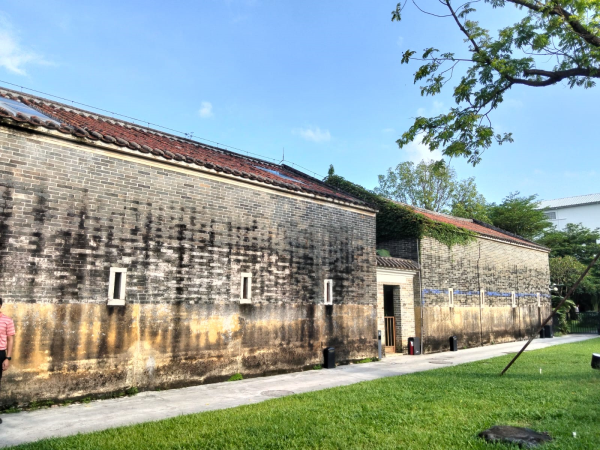
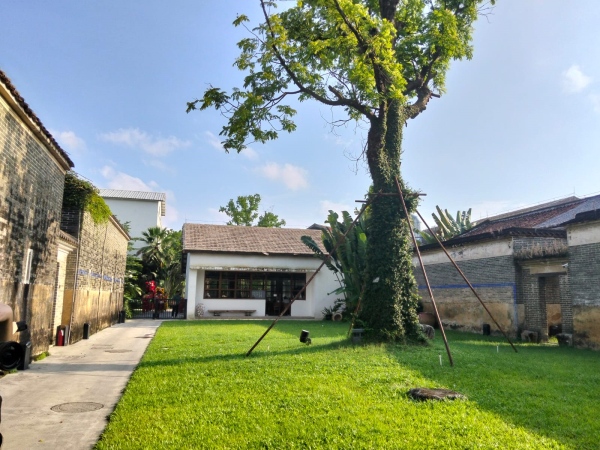
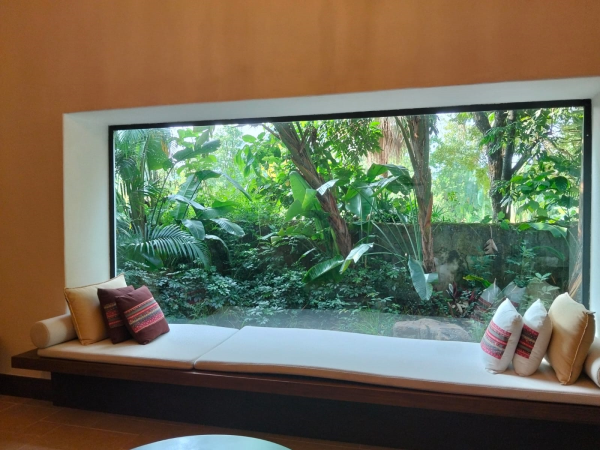
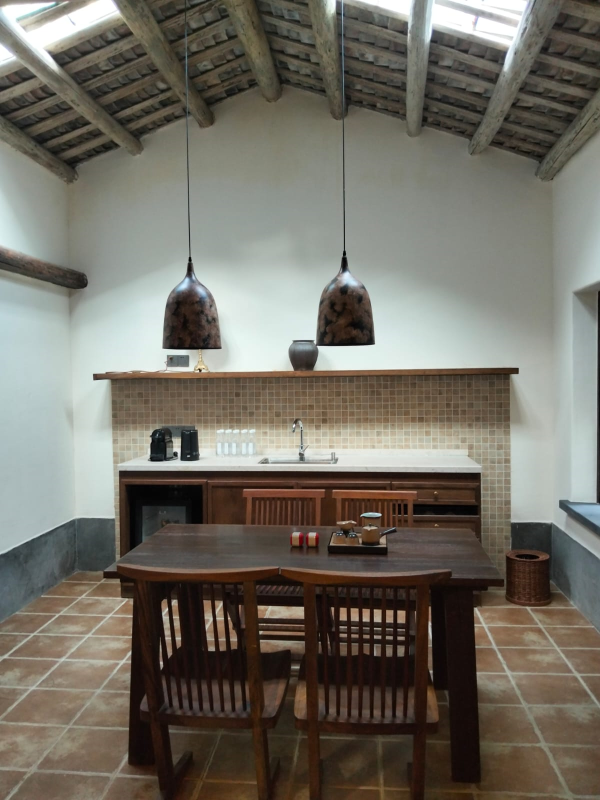
At Sanhe Village, 17 century-old residences dating from the Ming and Qing dynasties have been carefully reinforced and renovated under the principle of preserving their original character. The historic buildings were transformed into Sanhe Daoli Hot Spring Resort, integrating architectural heritage, ancient village culture and hot spring tourism.
The transformation has helped turn what was once a depopulated and deteriorating village into a recognised model for rural homestay development.
The benefits extend beyond tourism. The resort has created around 60 local jobs, allowing villagers to earn incomes without leaving their communities. Residents also receive rental income from vacant old houses, while farmland and ponds generate revenue for village collectives.
According to Lin, annual residential rental income has exceeded 200,000 yuan, while public-space rentals contribute approximately 145,000 yuan annually to the collective economies of two villages.
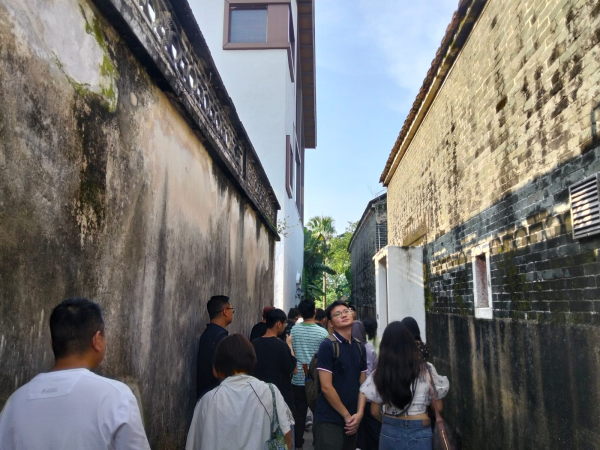
Local ethnic communities are also participating in the tourism economy. Yao dance groups perform regularly at nearby homestays, generating collective income, while products such as Yao rice wine and embroidery are marketed to tourists.
Infrastructure has improved alongside economic activity, with roads, public spaces, parking areas and tourist service facilities upgraded, while transport, healthcare and sewage projects continue to improve living conditions.
Yet challenges remain, including unused rural assets, insufficient integration of agriculture, culture and tourism, shortages of specialised rural talent and infrastructure gaps.
For Lin, these challenges are part of a larger transformation. As Sankeng Town pursues its ambition to become “Lingnan’s Premier Hot Spring Town”, rural revitalisation is creating a new connection between heritage, tourism, employment and community development.
The countryside that once sent young people away in search of opportunity is increasingly becoming a place where they can return, invest and build a future of their own.
KPL

