ຂປລ
The Government of the Lao People’s Democratic Republic (Lao PDR), in partnership with the United Nations Resident Coordinator’s Office (UNRCO), the Food and Agriculture Organization of the United Nations (FAO), and the Asian Development Bank (ADB), has officially launched its National Action Plan on Transition toward Sustainable Food Systems Transformation (2025–2030).
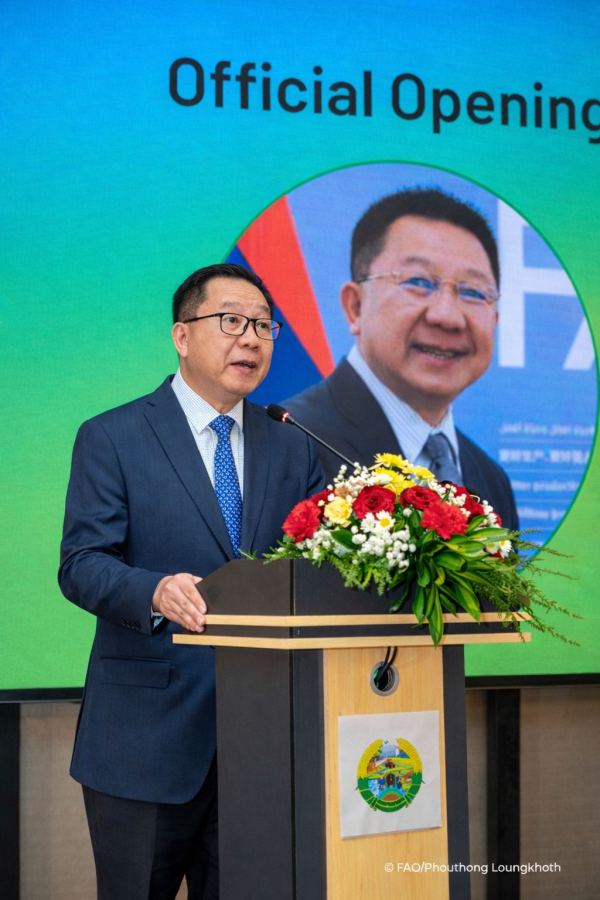
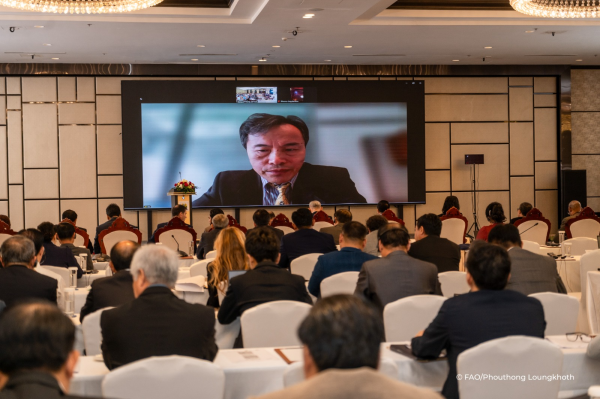
Unveiled in Vientiane, the plan sets out 20 strategic action areas and 62 priority milestones aimed at advancing inclusive, resilient, and nature-positive food systems as the country progresses toward graduation from Least Developed Country status.
The roadmap directly addresses the interconnected “5F crisis”—food, feed, fuel, fertilizer, and finance—which has significantly impacted rural livelihoods and constrained national development in recent years.
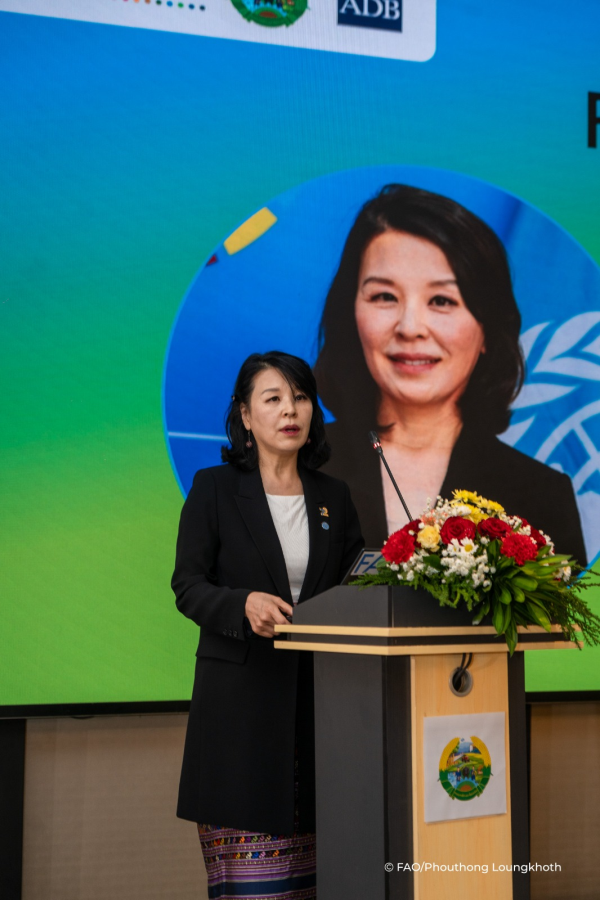
The Minister of Agriculture and Environment described the plan as a fundamental shift in approach.
“The National Action Plan represents a paradigm shift — from viewing food and agriculture as a single sector to understanding food systems as the backbone of national development, linking production, nutrition, health, environmental protection, climate resilience, and inclusive economic growth. The recent merger of the Ministry of Agriculture and Forestry with the Ministry of Natural Resources and Environment marks a historic institutional reform, enabling integrated planning and management of agriculture, forestry, land, water, biodiversity, and climate change. The Government is fully committed to implementing this Plan and working closely with all partners to translate it into tangible improvements in the lives of our people,” the Minister said.
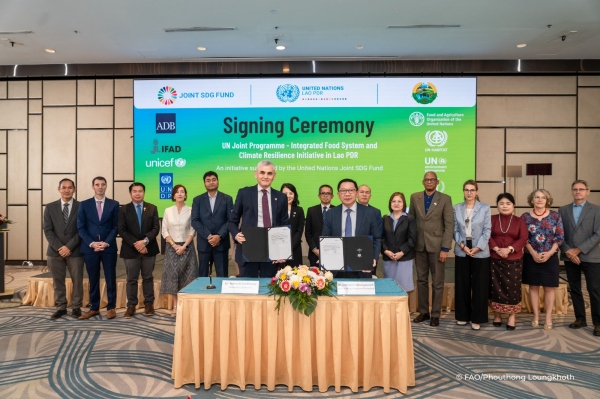
Implementation of the plan is supported by substantial multi-partner investment. A USD 4.5 million UN Joint Programme—backed by the Joint SDG Fund and contributions from seven UN agencies, including the United Nations Development Programme (UNDP), the United Nations International Children's Emergency Fund (UNICEF), the World Food Programme (WFP), the International Fund for Agricultural Development (IFAD), the United Nations Human Settlements Programme (UN-Habitat), and the United Nations Environment Programme (UNEP)—is being implemented in Luang Prabang and Oudomxay provinces.
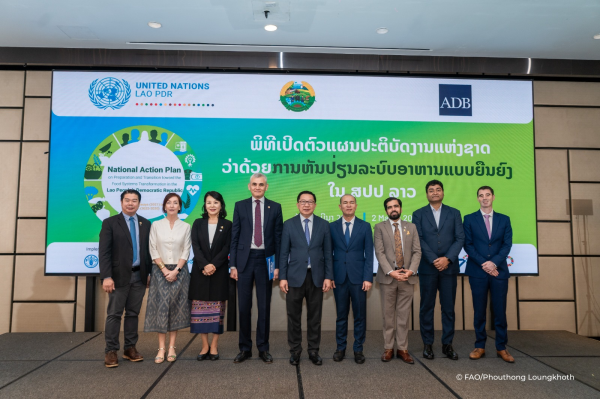
This initiative is complemented by USD 33 million in co-financing from ADB, aligned with its broader agrifood systems and resilient rural infrastructure portfolio. Together, these investments aim to promote green agricultural innovation, improve nutrition for women and youth, and enhance the regional competitiveness of high-quality Lao products, including Khao Kai Noi rice and Bolaven coffee.

During the launch event, several key frameworks were also introduced to guide implementation. These include the Operational Approach to Food System Transformation, a Private Sector Agribusiness Financing framework, and the Convergence Action Blueprint (2025–2035), developed through the UN Food Systems Coordination Hub Convergence Initiative. The blueprint positions Lao PDR as a pioneer country with a nationally owned roadmap that aligns food systems transformation with climate action across government institutions, development partners, and the private sector.
KPL

