ຂປລ
For students with disabilities, participating fully in school often depends on whether their learning and support needs are identified. Some students may experience difficulties with seeing, hearing, communication, movement, or learning that affects their ability to take part in classroom learning activities.
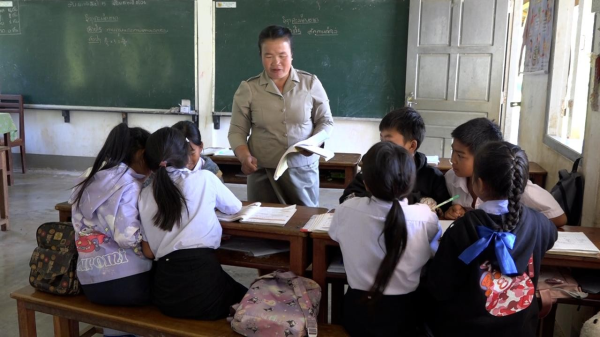
Each difficulty requires a different response and appropriate teaching adaptations. When these needs are not properly identified, students may not receive the specific support they need to participate and learn alongside their classmates.
To help address this challenge, the Ministry of Education and Sports (MoES), with support from the Australian Government through the BEQUAL program, is leading the next stage of the Disability Inclusion Research from 5 to 16 October 2026 in Khoun District, Xiangkhouang Province.
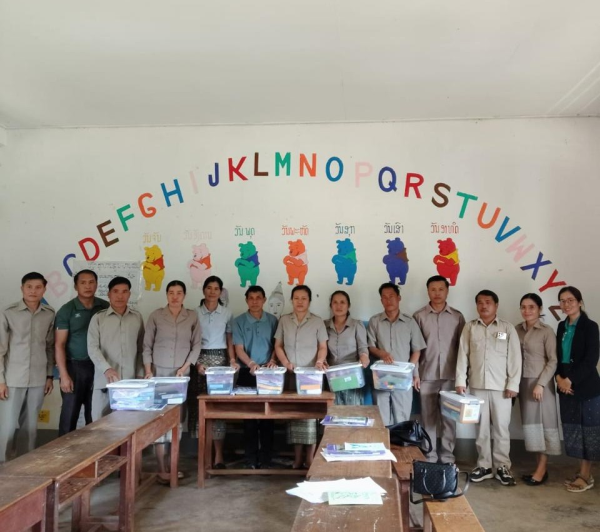
The research is being conducted throughout the 2026–2027 school year in a small number of primary schools. It will examine how teacher support materials developed by MoES with BEQUAL work in real school settings, whether they are useful and practical for teachers and how implementation could be improved. These materials include the Teacher Support Pack 14 (TSP 14), which contains the Child Functioning Module -Teacher Version (CFM-TV), and the Teacher Development Video 29 (TDV 29). They were provided to schools and selected teachers and principals in September as the first step of the research process.
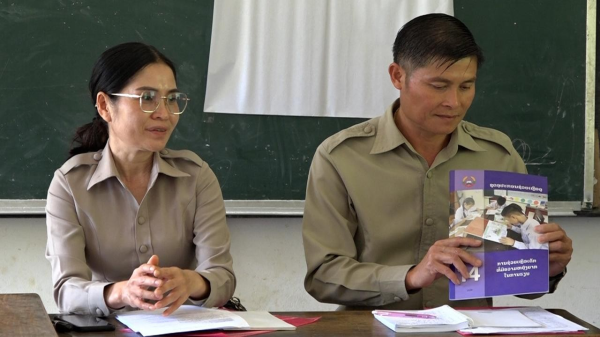
The materials are designed to help teachers observe students’ learning and support needs. The CFM-TV questionnaire guides teachers to make careful observations about possible functional difficulties experienced by students. TDV 29 shows real classroom behaviours that may indicate that a child needs further attention and explains how to use the CFM-TV questionnaire. Once a student’s needs have been identified, the teaching strategies in TSP 14 can help teachers plan individual support and adapt classroom activities.
During the October field visit, the research team is working with participating schools and teachers to select students to take part in the research. Teachers are sharing their experience of identifying students with disabilities, using the CFM-TV questionnaire and applying the guidance in TSP 14 and TDV 29. They are also discussing what is clear, what is difficult and what additional support they may need in their daily work.
Mr Kham Soulivan, a Grade 5 teacher participating in the research said “Teaching students with disabilities can be challenging, especially when they have difficulties with speaking and remembering. Following the guidance in TSP 14, I use flashcards to help them read and remember. I also encourage their classmates and parents to support their learning at home. As a result, the students enjoy the activities more, participate actively and are more motivated to come to school.”
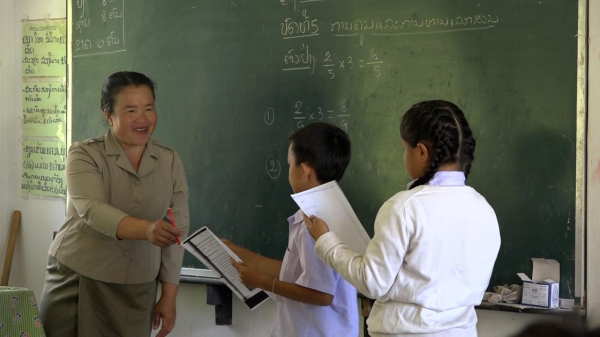
For students and their families, this process is expected to help schools develop a clearer understanding of individual learning needs. For teachers, the research provides an opportunity to discuss what is easy to use, what is difficult and what additional guidance may be needed. This feedback will help MoES and BEQUAL assess how the materials support teachers’ everyday practice.
Director General of the Department of Teacher Education and Administration Development Lamphoune Luangxay said “MoES is committed to using evidence and shared learning to improve inclusive education. By learning directly from schools, teachers and communities, this research will help us understand what works in practice and how education policies can better respond to the needs of students with disabilities. The evidence gathered will contribute to stronger teacher support and help inform future planning for inclusive education in the Lao PDR”.
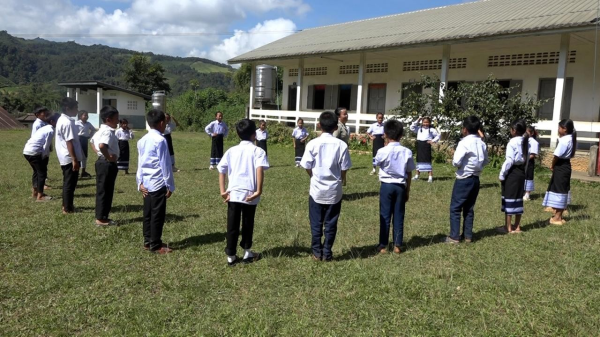
Mr Michael Currie, First Secretary, Australian Embassy added “Australia is pleased to support MoES through this practical, locally led research. Bringing the experience of teachers and schools into the research will help develop education support that works in practice. By strengthening inclusive education and ensuring schools are responsive to the needs of all learners, including children with disabilities, we can help more students participate, stay in school and succeed in learning. This contributes to national priorities for improving education quality and helps young people develop the skills they need to contribute to their communities and the Lao PDR’s future workforce.”
The October field activity is one stage in a longer process of data collection, reflection and learning. Further visits will take place later in the school year to continue collecting information, review the materials and identify any improvements or additional support needed for teachers, teacher training colleges and education authorities.
KPL

