ຂປລ
The scent of the sea, the rhythm of fishing boats and broad mudflats stretching towards the horizon greet visitors to Xiaqi Village in Ningde, Fujian Province, China. But beneath this peaceful coastal scenery lies a remarkable story — one of a community that moved from generations of life on the water to homes, livelihoods and new opportunities on land.
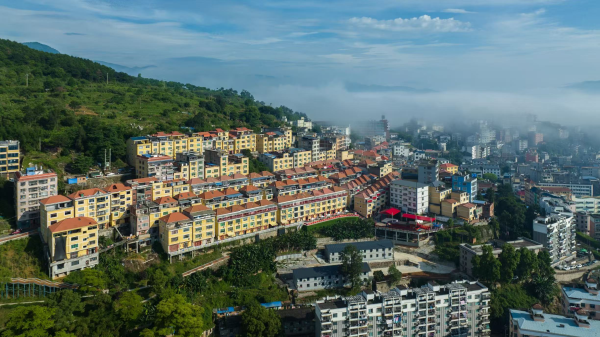
The scent of the sea, the rhythm of fishing boats and broad mudflats stretching towards the horizon greet visitors to Xiaqi Village in Ningde, Fujian Province. But beneath this peaceful coastal scenery lies a remarkable story — one of a community that moved from generations of life on the water to homes, livelihoods and new opportunities on land.
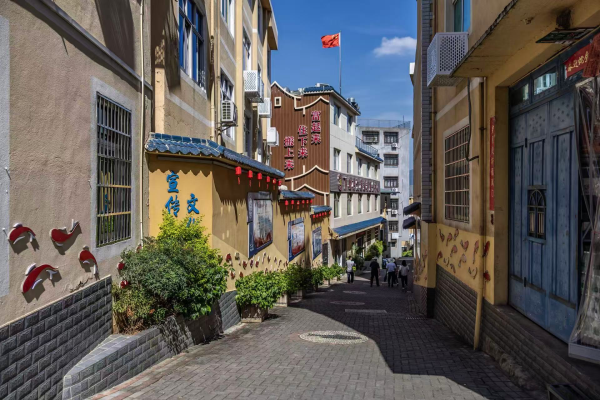
Located in the southern part of Jiaocheng District, Xiaqi, also known as Hanqi Village, is a She ethnic minority community along National Highway 104. During a recent visit, ASEAN media representatives saw how the village is combining its traditional culture and marine economy with modern rural development.
For generations, Xiaqi was home to the "Lianjia boat people", families who lived aboard small fishing boats.
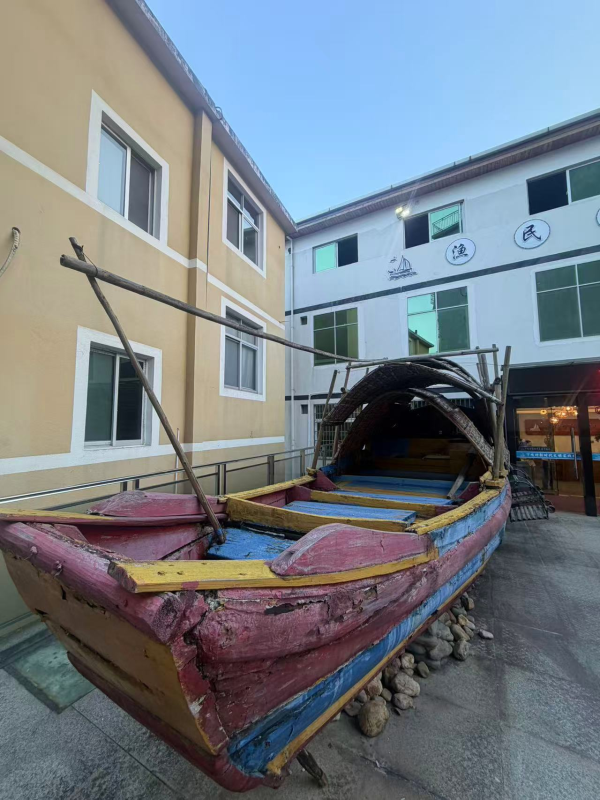
Without permanent homes and with limited access to education and public services, they faced the constant risks of typhoons and an uncertain life at sea.
A major turning point came between 1997 and 1999, when the Fujian provincial government launched a relocation project. More than 2,000 villagers were moved from their boats into homes on land.
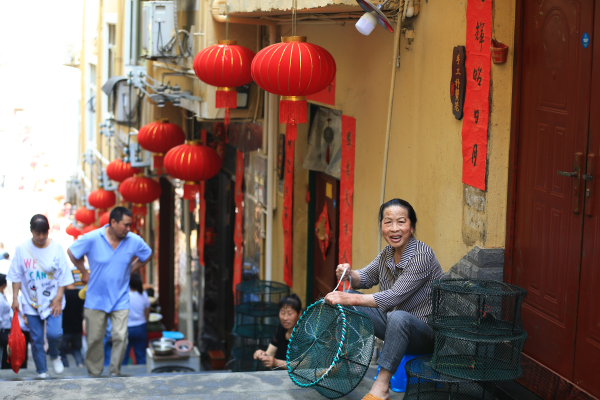
The change went far beyond relocation. Schools, clinics, roads and other public facilities gradually emerged, giving families opportunities that had once seemed out of reach. During his time working in Fujian, Chinese President Xi Jinping was involved in efforts to help boat dwellers move ashore, settle down and improve their livelihoods.
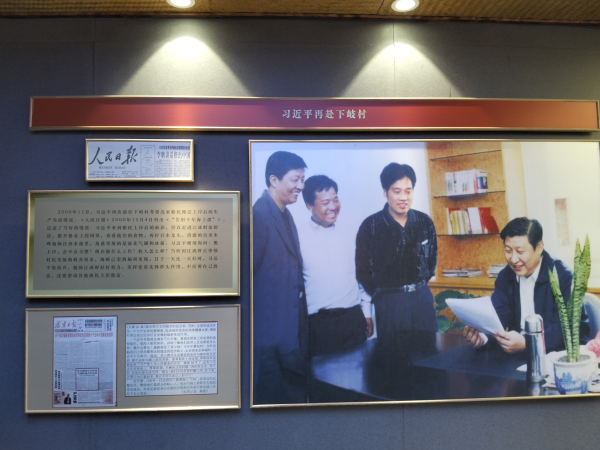
The results are reflected in one striking figure: per capita income rose from less than 1,000 yuan in 1997 to 30,360 yuan in 2022.
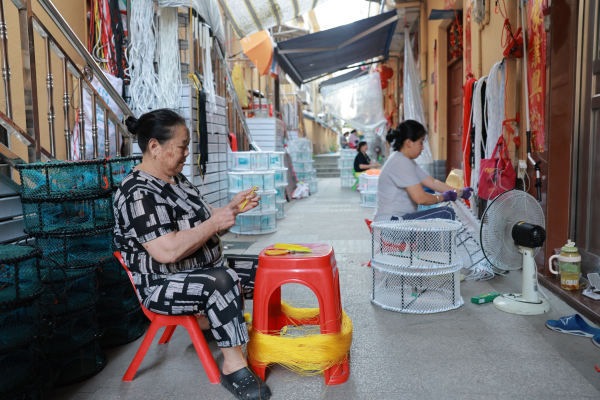
Today, the sea remains central to Xiaqi's economy. Its best-known speciality is the blood clam, or "xue han". With more than 3,000 mu of mudflats, the village has become an important blood clam production area in Jiaocheng District. Oysters, razor clams and crabs are also cultivated, while more than 20 seedling farms raise large yellow croaker and other aquatic species.
Yet Xiaqi is about more than seafood.
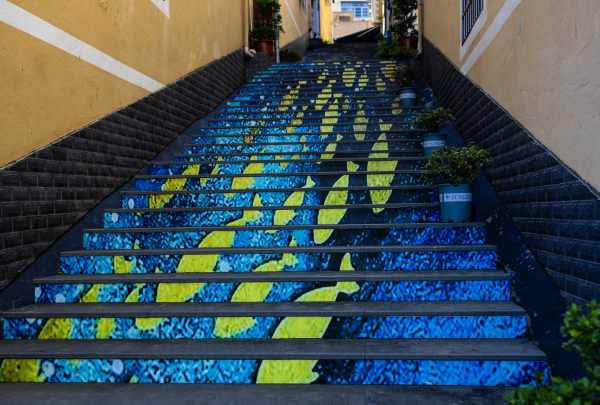
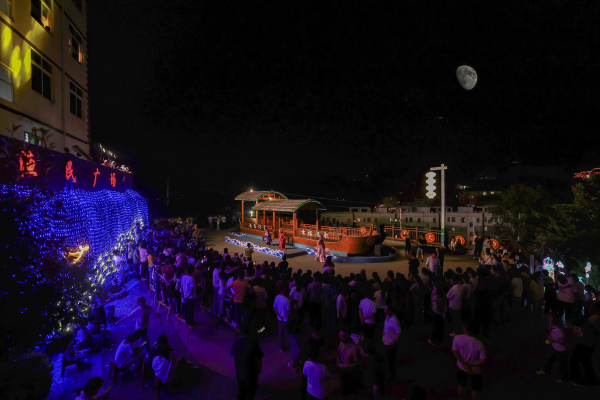
At the She Folk Culture Square, traditional customs remain part of everyday community life. Nearby, a distinctive white Catholic church shaped like a sailing ship has become an unexpected landmark, while newly developed pocket parks have turned unused spaces into attractive places for residents and visitors.
The village's theme — "waterside She village, fishing Hanqi" — neatly captures its character.
For ASEAN visitors, Xiaqi offers more than a glimpse of coastal Fujian. It is a story of people, culture and the sea evolving together.
The boats may no longer be the villagers' homes, but the sea remains at the heart of their identity. Xiaqi's journey from life on the water to a new coastal future shows how a community can embrace change while keeping its history firmly in sight.
KPL

