KPL
The Food and Agriculture Organization of the United Nations (FAO) and the Lao National Agriculture and Forestry Research Institute (NAFRI) have successfully concluded a pivotal project aimed at integrating biodiversity across Laos’ agrifood systems. The final workshop, “Mainstreaming Biodiversity across Agricultural Sectors to Implement the Kunming-Montreal Global Biodiversity Framework,” was held in Pakse, Champasak Province, marking a key milestone in the Lao PDR’s commitment to sustainable agriculture.
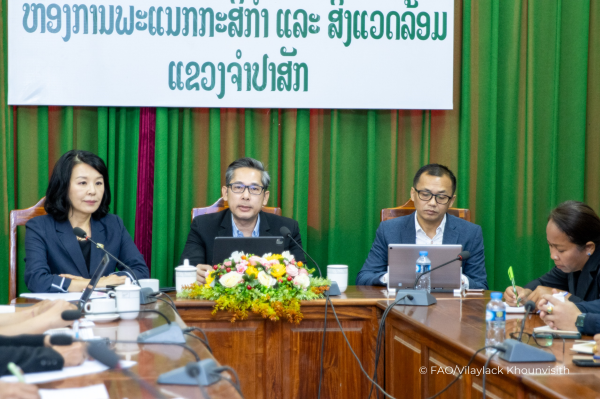
The two-day event, held on January 27–28, brought together representatives from the Ministry of Agriculture and Environment (MAE), provincial offices, and technical departments to review achievements linking global biodiversity targets with local action. A central highlight was the government’s approval of the Roadmap 2024–2030: Mainstreaming Biodiversity across Agriculture and Forestry, a strategic guide designed to address deforestation and ecosystem degradation through coordinated, cross-sectoral solutions.
The Lao PDR’s rich biodiversity is not only vital for the environment but also underpins food security, nutrition, livelihoods, and resilience to climate change. The project focused on aligning national policies with Target 10 of the Kunming-Montreal Global Biodiversity Framework (KMGBF), which emphasizes sustainable management of agricultural areas.
“The Lao PDR is blessed with unique and incredibly rich biodiversity,” said Ms. Kyung Mee Kim, FAO Representative to Lao PDR. “This biodiversity is fundamental to food security, nutrition, livelihoods, and human health, while also enhancing the resilience of agrifood systems to climate change. By adopting biodiversity-friendly policies and practices across agriculture, forestry, fisheries, and aquaculture, agrifood systems can become part of the solution, ensuring sustainable food systems and resilient livelihoods for present and future generations.”
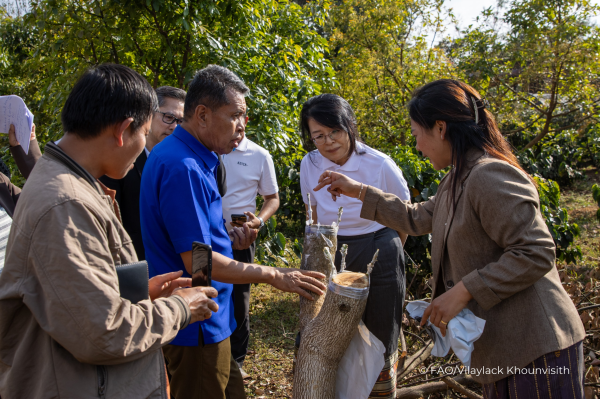
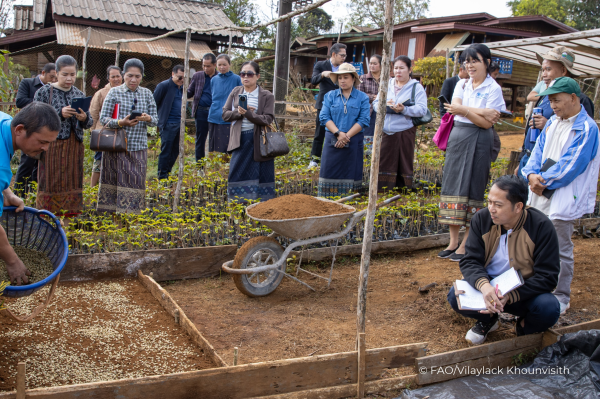
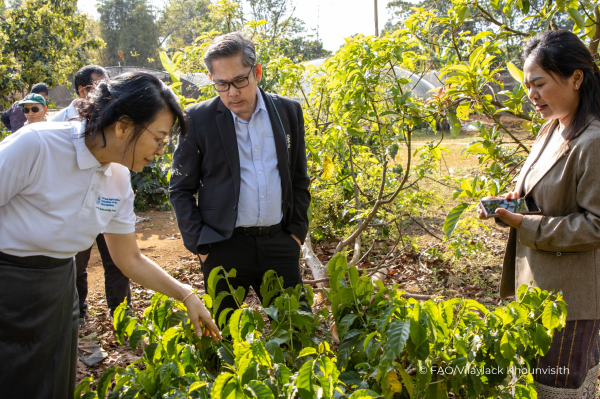
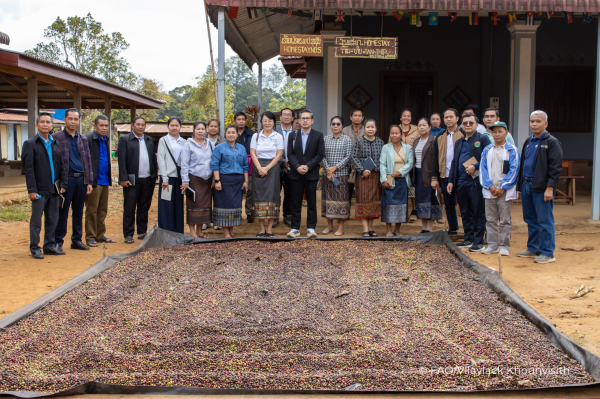
Beyond policy development, the project delivered tangible results through Farmer Field Schools (FFS). Participants visited project sites in Nong Luang and Phoumarkor to observe biodiversity-friendly practices in coffee production and processing. These schools serve as hubs for testing and upscaling sustainable practices that boost productivity while conserving the environment.
“Target 10 focuses on ensuring that the management of agricultural production—including crops, livestock, fisheries, and forestry—is sustainable and biodiversity-friendly,” said Mr. Siriphonh Phithaksoun, Deputy Director General of NAFRI. He added that the initiative has been crucial in strengthening institutional coordination and policy coherence to mainstream biodiversity across the agricultural sector.
The workshop also served as a platform to launch future initiatives. The successful completion of the project has already catalyzed new funding opportunities, including support from the Global Biodiversity Framework Fund and further bilateral programs addressing biodiversity in forestry.
“The seeds planted during this project are already flourishing,” Ms. Kim said in her closing remarks. “FAO will remain a committed partner to ensure that biodiversity values are integrated across agrifood systems, supporting food security and sustainable livelihoods for the people of the Lao PDR.”
KPL

