KPL
Melioidosis is a disease caused by microorganisms found in soil and water across all regions of the Lao PDR. Over the past 20 years, more than 2,400 cases of melioidosis have been diagnosed, with a mortality rate of 29-30%.
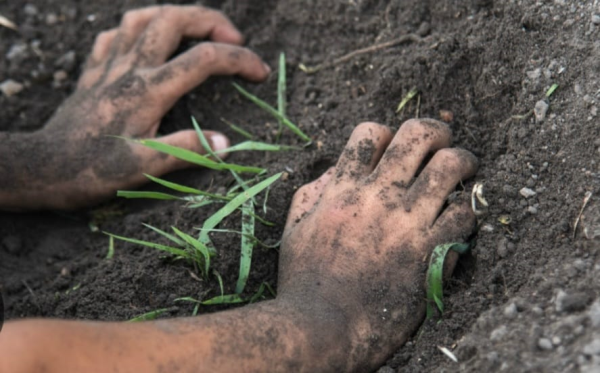
(KPL) Melioidosis is a disease caused by microorganisms found in soil and water across all regions of the Lao PDR. Over the past 20 years, more than 2,400 cases of melioidosis have been diagnosed, with a mortality rate of 29-30%.
In a recent interview with the Lao News Agency, Dr. Koukeo Phommasone, Deputy Head of the Department of Microbiology at Mahosot Hospital, explained that melioidosis, often referred to as "soil fever" in neighboring countries, is caused by microorganisms present in soil and water.
According to a 2016 report by the Lao-Oxford-Mahosot Hospital-Wellcome Trust Research Unit (LOMWRU), melioidosis is a significant but often overlooked cause of infection in the Lao PDR and other tropical countries.
Since 1999, the Department of Microbiology at Mahosot Hospital has diagnosed over 2,435 cases of melioidosis. This number does not include diagnoses made at other hospitals. Many additional cases likely go undetected, and patients may succumb to the disease due to limited laboratory facilities and a shortage of trained personnel, particularly in southern Laos.
Dr. Koukeo identified Burkholderia pseudomallei as the bacterium responsible for melioidosis. This gram-negative bacterium thrives in various environments, particularly in Southeast Asia and northern Australia. B. pseudomallei can survive in temperatures up to 42°C and endure both acidic and alkaline conditions, as well as drought.
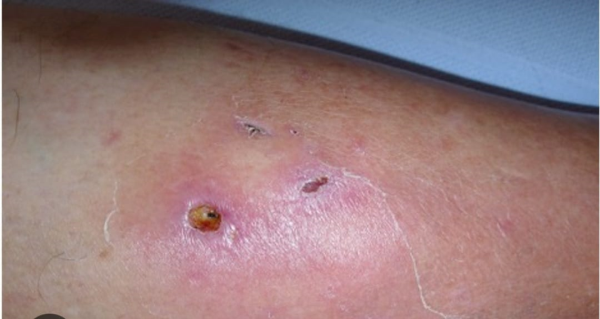
Farmers and agricultural workers who frequently come into contact with soil and water in infected areas are most at risk, especially if they have open wounds. The disease can enter the body through these wounds, ingestion of contaminated water, or inhalation of dust containing the bacteria.
Individuals with chronic conditions such as diabetes, kidney disease, or lung disease are also at higher risk.
Melioidosis can infect multiple organs, with symptoms ranging from localized skin abscesses to severe conditions such as bloodstream infections, respiratory issues, liver abscesses, joint inflammation, and even death.
In some cases, patients may harbor the bacteria without showing symptoms, with the infection manifesting when their immune system is weakened.
Early and accurate diagnosis is crucial for effective treatment. Initial treatment typically involves two weeks of intravenous antibiotics, followed by a five-month course of oral antibiotics. In cases of complications, treatment duration may be adjusted.
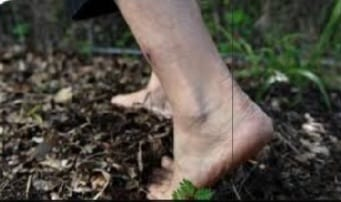
Preventative measures are vital. Individuals with wounds should clean and disinfect them immediately, avoid contact with soil and water until fully healed, and wear gloves or boots when working with dirt.
Drinking clean or boiled water, consuming hygienic food, and minimizing exposure to dust, wind, and rain are essential to reduce the risk of infection.
#OneHealth#
KPL

