KPL
A community-based agriculture initiative supported by the World Food Programme (WFP) is helping rural families in northern Laos improve their livelihoods while strengthening food supplies for school meal programmes.
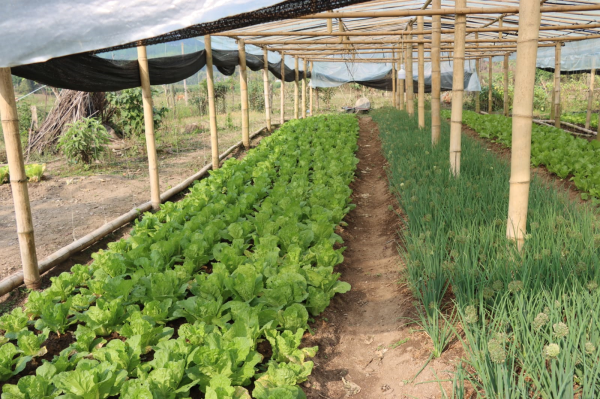
The project is being implemented in Huamambak and Houaytong villages in Xay District, Oudomxay Province, where local farmers are participating in vegetable cultivation and egg-laying chicken raising activities designed to increase household income and improve food security.
Under the programme, WFP has provided farmers with essential production equipment, vegetable seeds, greenhouses, and training in modern farming techniques. The support allows villagers to increase agricultural productivity while ensuring a reliable supply of fresh food for local school lunch programmes.
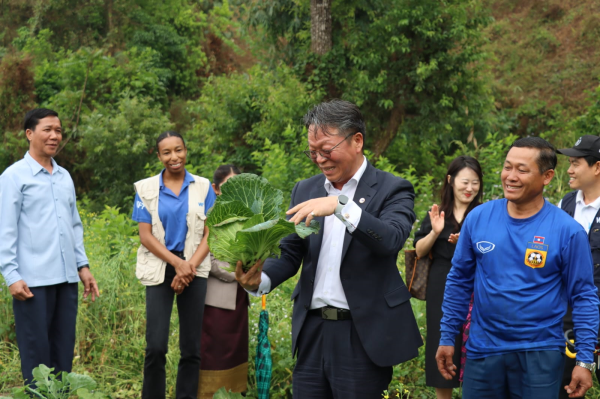
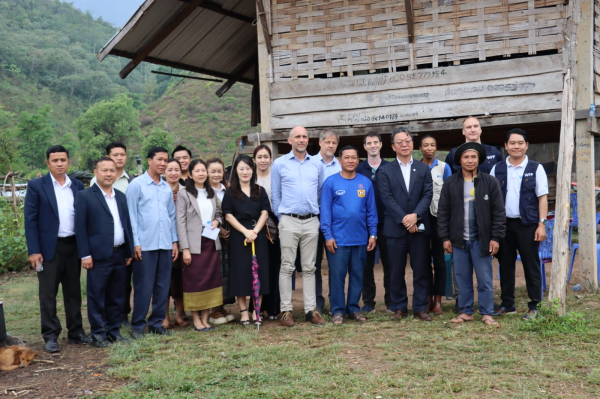
During a recent field visit, an international delegation led by Jung Yung-soo, Ambassador of the Republic of Korea to Laos; Jean-Gabriel Duss, Regional Director of the Swiss Agency for Development and Cooperation (SDC); Björn Schranz, Head of Programme for Climate Change and Natural Environment; and Marc-André Prost, WFP Representative and Country Director in Laos, visited nearby farms in Hua Nam Bak and Houay Tong villages. The delegation observed how local farmers grow vegetables and raise egg-laying chickens to supply ingredients for school meals.
According to Mr. Phonkham Phonmaly, head of the farmers’ group in Huamambak village, life for many families has changed significantly since the project began.
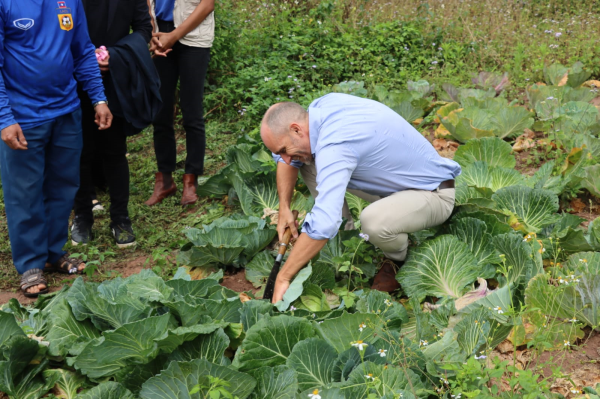
“In the past, we relied on natural conditions and could grow vegetables only in one season, mainly for our own consumption,” he said. “Now, with the equipment, seeds and technical guidance provided by the project, we can grow vegetables all year round and sell them at the market.”
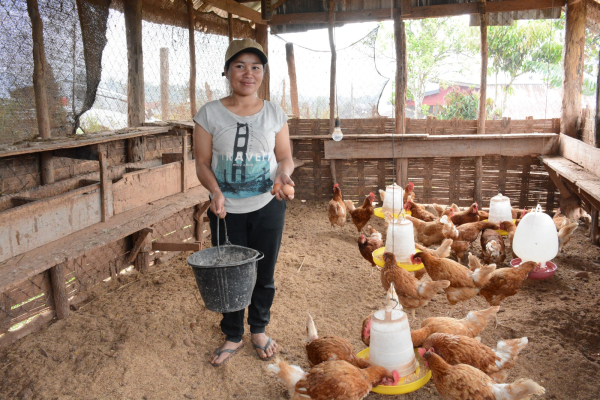
The farmers’ group in Huamambak village was established in early 2024 and currently includes nine households. Five families focus on vegetable production, while four households are engaged in raising egg-laying chickens.
In addition to supplying local markets, the farmers also provide fresh vegetables to the school lunch programme in the village, helping ensure that students receive nutritious meals while supporting the local economy.
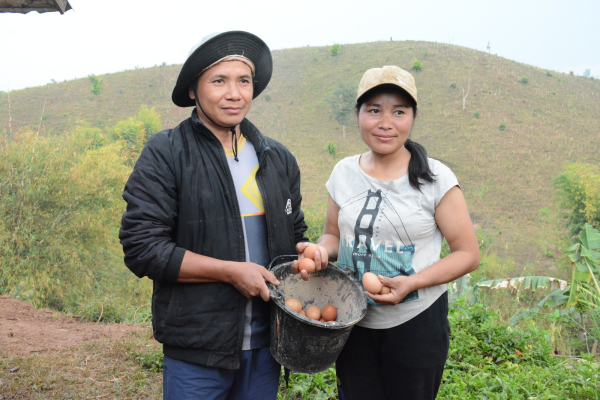
Mr. Somlee Keomany, one of the farmers participating in the poultry activity, said WFP provided him with 50 egg-laying chickens and helped construct a chicken coop. Through training on poultry farming techniques, he has been able to produce eggs for sale at local markets, selling about 20 to 30 trays each month.
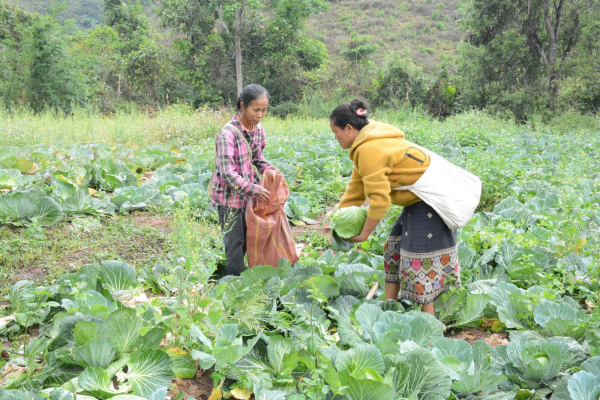
Meanwhile, Ms. Chan Keopaserth, a farmer from Houaytong village, said the project has helped improve her family’s economic situation. With the installation of greenhouses, her family can now grow vegetables in two seasons instead of just one.
“We can sell our vegetables in the market and earn around 3 to 4 million kip per month,” she said.
Local officials say the initiative not only helps increase rural incomes but also strengthens community resilience by linking agricultural production with school nutrition programmes. By supporting small-scale farmers with tools, training and improved infrastructure, the project is helping build more sustainable livelihoods for rural communities in Oudomxay Province.
KPL

