KPL
The Ministry of Education and Sports (MoES) on July 2 held a national consultation to review the implementation of the 2025–2026 domestic student and civil servant quota allocation plan and formulate the allocation framework for the 2026–2027 academic year, as part of efforts to strengthen human resource development and better align education with national workforce needs.
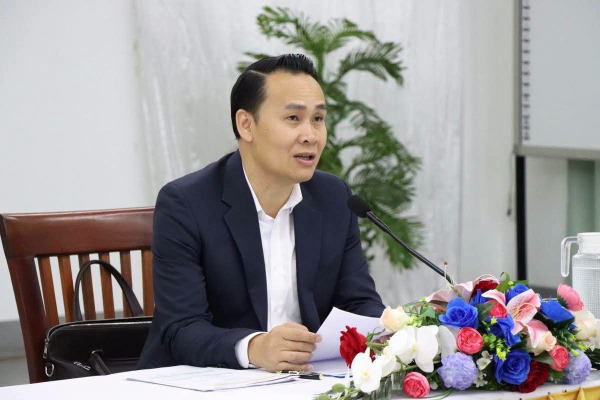
The meeting was chaired by Toudavan Nomeuangset, Director General of the Department of Organization and Personnel, and attended by senior ministry officials, provincial education authorities, representatives of ministries with affiliated educational institutions, the National University of Laos, technical colleges, and private education providers.
In his opening remarks, Toudavan said the ministry's ongoing institutional reforms have reinforced the role of the Human Resource Development Office in coordinating national workforce planning. He noted that reforms introduced during the 2025–2026 academic year—including greater decentralization of scholarship and admission quota management to educational institutions and provincial authorities—had improved the selection of qualified students, increased enrollment in priority fields, and significantly reduced unfilled scholarship positions.
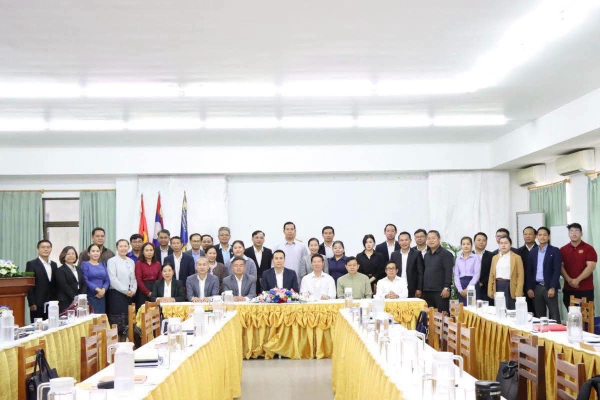
He said provincial authorities are now better positioned to allocate scholarships according to local socio-economic development priorities and labor market demand, helping ensure graduates possess the skills required for regional development.
Looking ahead, the ministry called for all sectors to strengthen annual workforce demand assessments, improve coordination between education providers and employers, and align admissions and training programmes with current and future labor market requirements. It also emphasized the need to modernize curricula, expand skills-based education, review domestic and overseas scholarship policies, and further develop a sustainable government scholarship system.
The ministry said the reforms are intended to improve both the quality and efficiency of human resource development, ensuring that graduates are equipped with the knowledge and skills needed to support Laos' long-term socio-economic development.
KPL

