KPL
China is accelerating efforts to narrow regional development gaps through sustained investment in infrastructure, education and targeted poverty alleviation across its ethnically diverse western regions, according to Professor He Keyong of Minzu University of China.
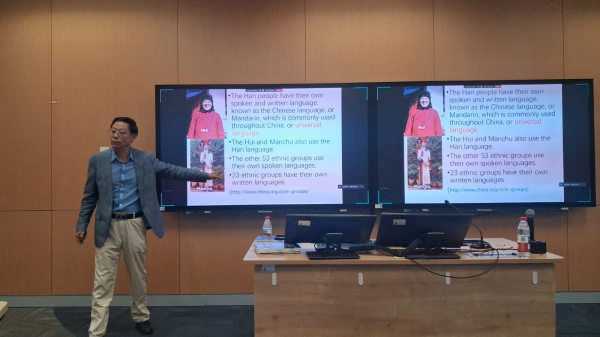
Speaking at Renmin University of China on July 6, Professor He said the country's western provinces, including Xinjiang, Xizang (Tibet), Yunnan and Guizhou, have historically faced development challenges due to rugged terrain, high-altitude plateaus and geographic isolation.
He said decades of investment in highways, railways and other major infrastructure projects have significantly improved connectivity, transforming once-remote areas into regions with greater access to markets, public services and economic opportunities.
Professor He highlighted the Great Western Development Strategy, launched in 2000, as a key driver of regional development. The programme combines infrastructure investment with targeted poverty alleviation and the system of Ethnic Regional Autonomy, which supports local governance while promoting national unity and ethnic equality.
He said one of the government's key initiatives has been targeted poverty reduction, including relocating households from remote mountainous areas to communities with improved access to employment, education, healthcare and public services.
Education has also become a cornerstone of the strategy. Minority regions have expanded compulsory education, strengthened bilingual instruction in Mandarin and local ethnic languages, and introduced scholarship programmes that encourage students from Xinjiang and Xizang to return home after graduation to contribute to local development.
Professor He said leading universities in eastern China have also partnered with educational institutions in minority regions to improve teaching quality and strengthen academic cooperation.
While promoting modernization, China is also working to preserve ethnic cultures and traditions, including traditional crafts and intangible cultural heritage.
Professor He said the country's approach seeks to balance economic development with cultural preservation, ensuring that modernization improves living standards while safeguarding the unique identities of China's ethnic minority communities.
KPL

