KPL
The Lao PDR expects to welcome between 5 and 6 million tourists in 2026, supported by improved regional connectivity and growing international interest in cross-border rail travel, according to sector projections.
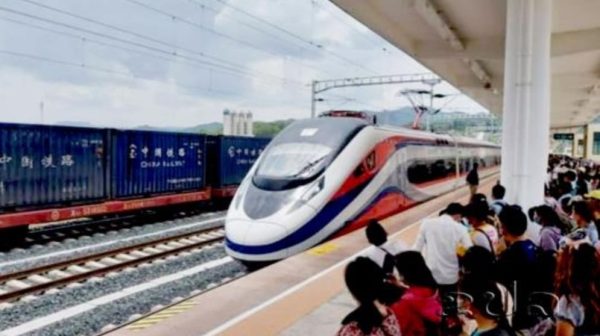
(KPL) The Lao PDR expects to welcome between 5 and 6 million tourists in 2026, supported by improved regional connectivity and growing international interest in cross-border rail travel, according to sector projections.
Authorities anticipate Chinese arrivals to reach around 2 million visitors, driven in part by the 65th anniversary of Lao–China diplomatic relations and the expanding role of the Laos-China Railway in linking ASEAN with China and broader international markets.
Tourism remains a major revenue-generating sector contributing to economic activity from national to community levels through job creation and local production. Before the COVID-19 pandemic, Laos received nearly 5 million international visitors annually, generating close to US$700 million in revenue.
Since reopening in 2022 and the launch of the railway in 2021, visitor numbers have steadily rebounded. Officials said Laos is emerging not only as a destination known for heritage, nature and culture, but also as a regional transport hub supported by modern infrastructure and a stable social environment.
Minister of Public Works and Transport Lekhai Sivilay noted that since operations began in December 2021, the railway has transported about 12 million passengers within Laos and 62 million along the full route. Freight transport has reached approximately 16 million tons domestically and 72 million tons across the entire line, significantly reducing logistics costs and travel time.
Authorities aim to further expand connectivity through new rail links, including future connections with Thailand and Vietnam, while advancing national development goals focused on green growth, industrial modernization and digital transformation.
International tourism analysts have increasingly identified Laos as an emerging destination in Southeast Asia, citing competitive travel costs, preserved natural landscapes and improved accessibility as key advantages.
KPL

