KPL
As digital platforms enable information to spread at unprecedented speed, the circulation of fake news and disinformation has become increasingly sophisticated. In response, Lao media is playing an increasingly important role in verifying information and providing timely, accurate, and credible reporting.
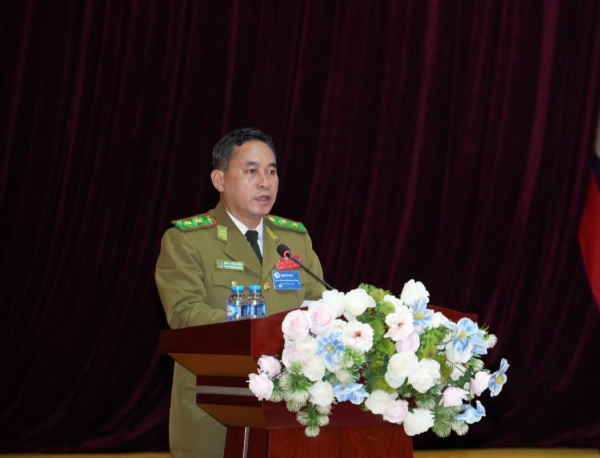 Speaking at the First National Media Conference, Soulina Keopraseuth, Deputy Minister of Public Security, delivered a presentation titled "Public Security Media and the Rapid Response to Disinformation." He said the country's media has long served as an important instrument of the Party and the State in safeguarding national interests, strengthening public awareness, and supporting national development.Soulina said that, in the digital era, media has become an essential channel for delivering reliable information on domestic and international affairs, helping foster public understanding while countering false or misleading narratives that could undermine national peace and security. He added that the media also provides a platform for citizens to voice concerns and submit recommendations to relevant authorities for timely action.He described Public Security media—including newspapers, magazines, radio, television, and digital platforms—as a key component of the country's information and communication system. Its role is to disseminate Party policies, state laws, and public security information while providing authoritative updates on security-related developments from the central to the local level through both traditional and online media.Looking ahead, Soulina outlined several priorities to strengthen the fight against disinformation, particularly on security-related issues. These include accelerating digital transformation, applying artificial intelligence to detect and analyze false information circulating on social media platforms such as Facebook, TikTok, and YouTube, and establishing real-time monitoring and early-warning systems.Other priorities include building comprehensive databases of disinformation patterns and malicious online accounts, streamlining approval procedures to enable the rapid release of official clarifications, strengthening information-sharing between Public Security media and government agencies, and expanding the production of short-form digital content—including TikTok videos, Reels, Shorts, and livestreams—to reach wider audiences more effectively.He also called for the establishment of mobile digital journalism teams capable of reporting and publishing verified information directly from incident scenes using portable equipment. In addition, he emphasized strengthening cooperation among national, military, and local media organizations to amplify accurate information and curb the spread of false reports.Public Security media will also continue promoting public awareness campaigns encouraging citizens to verify information before sharing it and to report suspected fake news. Training for media personnel will be expanded to strengthen analytical skills, improve understanding of online public sentiment, and enhance effective communication strategies.Soulina said these initiatives aim to make Public Security media the country's most trusted and authoritative source of information, capable of responding rapidly to rumours, correcting misinformation, strengthening public confidence, and safeguarding national information security.
KPL

