KPL
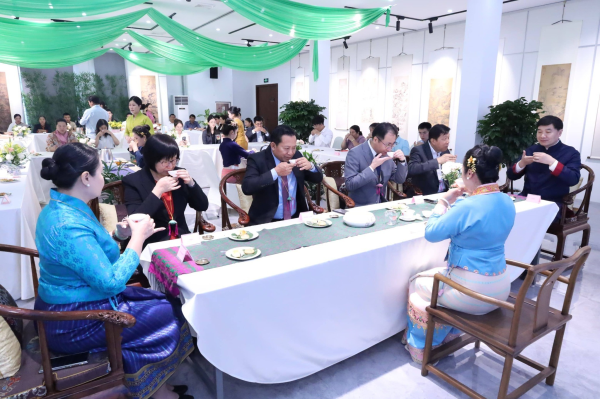
Diplomacy was served one cup at a time on May 21, 2026, as the China Cultural Centre in Laos hosted a special “Tea for Reconciliation” event to mark International Tea Day, using tea as a symbol of friendship and cultural exchange between Laos and China.
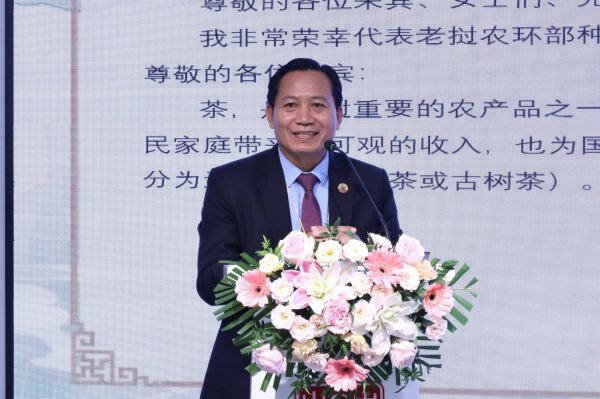
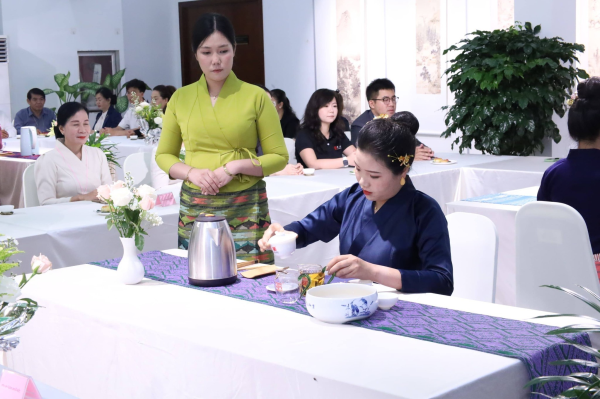
The event featured premium teas from China’s Yunnan Province and live demonstrations by Chinese tea art experts, showcasing traditional tea-making techniques that reflected centuries of history and culture.
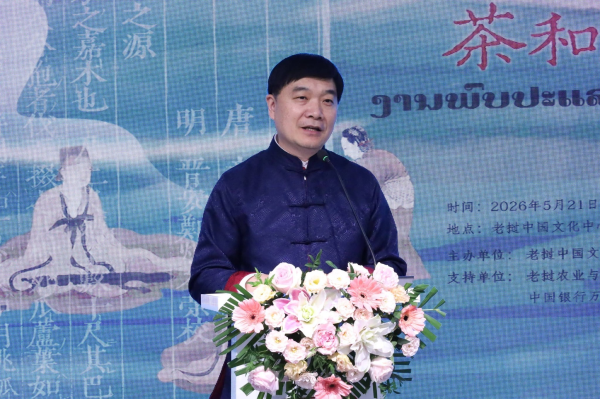
“This small leaf reflects the philosophy and beauty of the Chinese people,” said Mr. Luo Weijian, director of the China Cultural Centre in Laos. He noted that tea originated in China thousands of years ago and continues to serve as a bridge connecting people and cultures.
Officials from both countries highlighted the growing potential for cooperation in the tea industry.
Mr. Bounchan Kombounyasith, director general of the Department of Cultivation under Laos’ Ministry of Agriculture and Forestry, said Lao tea has gained increasing international recognition. In 2025, Lao “Yord Ou” tea won a gold medal at a world tea competition in China.
Laos currently has more than 7,000 hectares of tea plantations and produced over 17,000 tons of tea in 2025. However, the country exported only slightly more than 1,000 tons of dried tea last year, generating more than USD 2 million in revenue.
Officials said the figures demonstrate significant untapped potential for the Lao tea sector.
China, the world’s largest tea market, is seen as a major opportunity for Lao producers. Laos is known for its ancient natural tea forests, high-altitude plantations in the north, and fertile growing areas on the Bolaven Plateau in Champasak Province.
“China and Laos share mountains and rivers. Our tea industries are highly complementary,” Luo said. He added that both countries could expand cooperation in tea tourism, technical exchanges and cultural promotion to help improve livelihoods.
Lao tea is currently exported to markets including China, Thailand, France and Germany, creating income opportunities for farmers and ethnic communities across the country.
The sector is also receiving support from the “Green Cup” project, funded by the French Development Agency and the European Council, which aims to strengthen sustainable tea production, reduce poverty and improve climate resilience.
Mr. Deng Lijiang, diplomatic adviser at the Chinese Embassy in Laos, said tea embodies the Chinese values of “purity, tranquility, elegance and harmony.”
“It is not just a drink, but also a bridge for dialogue and friendship with the world,” he said.
KPL

