KPL
Although the Lao PDR was certified polio-free in 2000, the re-emergence of vaccine-derived poliovirus in 2025 serves as a reminder that the fight against the disease is not over. Ensuring that every child receives the necessary vaccinations requires more than the provision of medical services; it also depends on timely information, community participation and the cooperation of parents and caregivers.
Polio is a highly infectious disease that attacks the nervous system and can cause paralysis or lifelong disability in children. Although it is preventable through vaccination, gaps in immunisation coverage and a lack of awareness can leave children vulnerable to infection.
For Laos, maintaining protection against polio remains an important public health priority. The country recorded its last case of wild poliovirus in October 1996 and was certified polio-free in 2000. However, the reporting of a vaccine-derived poliovirus outbreak in 2025 highlighted the importance of maintaining high and widespread vaccination coverage.
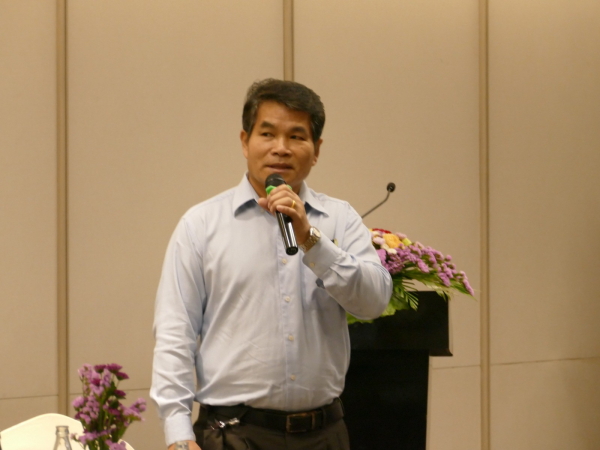
“Although Laos was certified polio-free in 2000, the outbreak of vaccine-derived poliovirus reported in 2025 serves as a reminder that maintaining high and widespread vaccination coverage remains critically important,” said Dr Kongxay Phounphenghak, Head of the Vaccine-Preventable Diseases Division at the Mother and Child Health Centre, on 11 November 2026.
When children miss their opportunity for vaccination
One of the key challenges in preventing polio is ensuring that every child is reached, particularly those living in remote communities where families may be away from home when vaccination teams arrive.
According to UNICEF monitoring data presented at a technical briefing for the media on polio vaccination outreach, 2,052 of the 12,188 children monitored, equivalent to 16.8%, had not yet received the vaccine.
The challenge was also evident during the second round of vaccination, when approximately 35% of children missed the opportunity to be vaccinated.
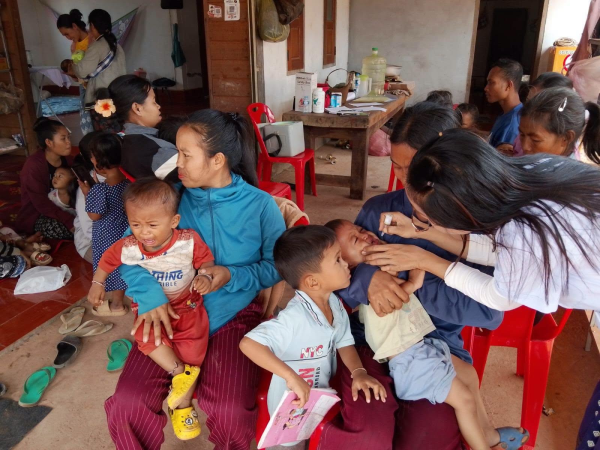
The reasons were closely linked to the everyday circumstances of families. Some children were not at home when medical teams arrived, while some parents had not received information about the vaccination visits. Others missed vaccination because their parents were busy working, the children had accompanied their parents to work, or the children were unwell and their caregivers did not take them to receive the service.
These circumstances highlight how daily responsibilities and livelihoods can affect children's access to essential healthcare, particularly in remote areas.
For families who depend on daily work to earn a living, knowing exactly when and where vaccination teams will provide their services can make a significant difference. Providing advance information about vaccination schedules and locations can help parents arrange their time and ensure that their children are available when healthcare workers arrive.
Getting the message to every household
Ensuring that information reaches every household is just as important as delivering the vaccines themselves.
A survey of information channels during the first and second vaccination rounds found that village-level communication accounted for 39% of the information received. This demonstrates the continuing importance of community-based communication in reaching families.
Village announcements, village chiefs and community health volunteers can play an important role in ensuring that parents receive timely and accurate information. These channels should be strengthened alongside radio and local media to reach families through different means.
Public awareness campaigns should clearly communicate when vaccination teams will visit, what time they will arrive and where vaccination services will be available. With clear advance notice, parents and caregivers can better prepare to take their children for vaccination.
A nationwide effort to protect young children
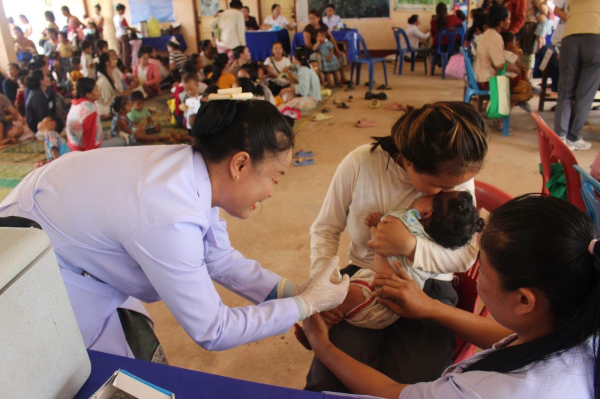
The previous polio vaccination campaign, conducted from 23 February to 6 March 2026, targeted 28 districts and approximately 306,376 children aged 0–59 months.
The campaign demonstrated the importance of close coordination among public health authorities, relevant organisations, local administrative authorities and the media to ensure that vaccination services reach their intended beneficiaries.
The media also has an important role beyond simply reporting on campaign launches and vaccination team visits. It can help explain why children need to be vaccinated, share practical information with families, highlight the experiences of parents, community volunteers and healthcare workers, and monitor vaccination progress to assess how successfully campaign targets are being achieved.
Polio can spread through food and water contaminated with the virus, particularly in environments with poor sanitation. Children under five are especially vulnerable, making it essential that they receive all required vaccinations in accordance with the Ministry of Health's immunisation schedule to build immunity and reduce the risk of infection.
Ultimately, preventing polio is not only about protecting individual children but also about safeguarding entire communities against potential outbreaks.
Parents and caregivers are encouraged to check their children's vaccination records and consult healthcare workers if they are unsure whether their children have received all the required doses. When vaccination schedules are announced, families should cooperate with health authorities and ensure that their children receive the vaccines as recommended.
Every missed vaccination is a lost opportunity to protect a child. By combining accessible healthcare services, timely communication and strong community participation, Laos can help ensure that no child is left behind in the effort to keep the country free from polio.
KPL

