KPL
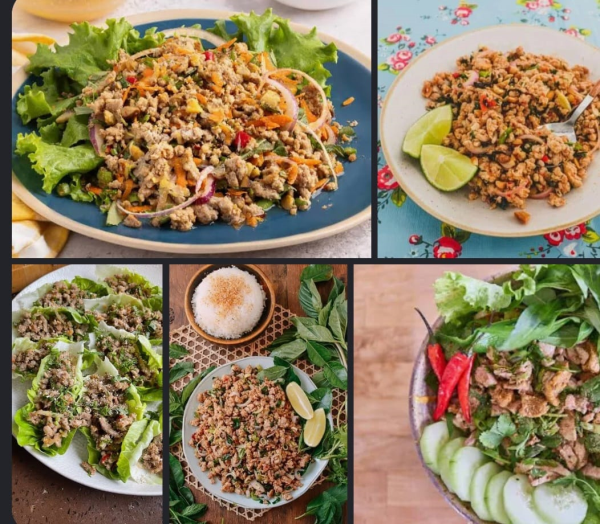
Laos' beloved national dish, Larb, is moving closer to international recognition after being nominated for inscription on UNESCO's Representative List of the Intangible Cultural Heritage of Humanity under the title “Larb: A Culinary Symbol of Lao Culture.”
(KPL)UNESCO has published a draft resolution proposing the inscription, with the final decision expected during the 21st session of the Intergovernmental Committee for the Safeguarding of the Intangible Cultural Heritage in Xiamen, China, from November 30 to December 5, 2026.
For Lao people, Larb is more than a traditional dish. It represents cultural identity, family traditions and beliefs passed down through generations.
The dish is commonly served at important occasions, including weddings, birthdays, Lao New Year celebrations and other auspicious ceremonies. Many Lao people associate Larb with good fortune, wealth and prosperity, making it an important part of welcoming guests and sharing blessings.
Although recipes vary across regions, Larb is generally prepared with minced meat or fish, seasoned with fish sauce, lime juice, toasted rice powder (khao khoua), shallots, galangal, herbs and chillies. It is traditionally served with sticky rice and fresh vegetables.
Preparing Larb is also a social tradition that brings family members and neighbours together, strengthening relationships and community bonds.
The nomination was led by the Lao Businesswomen Association, which submitted the proposal through the Ministry of Culture and Tourism in early 2025.
Dalaphone Pholsena said international recognition of a dish enjoyed by Lao people for generations would carry special significance, adding: "No matter where we go, Larb always goes with us."
If approved, Larb will become Laos' fourth inscription on UNESCO's Intangible Cultural Heritage list, following Khene Music in 2017, Traditional Crafting of the Naga Motif in 2023 and Lao Lamvong Dance in 2024.
The proposed inscription would highlight not only the importance of Larb in Lao cuisine but also the traditions, beliefs and community values that make it an enduring part of Lao cultural life.
KPL

