KPL
On February 19, 2026 Ambassador of Cuba Enna Viant Valdes hosted a press briefing on the current situation in Cuba. She revealed that the Cuban government has launched a diplomatic offensive across international forums, labelling a new U.S. Executive Order a "criminal act" of "energy warfare."
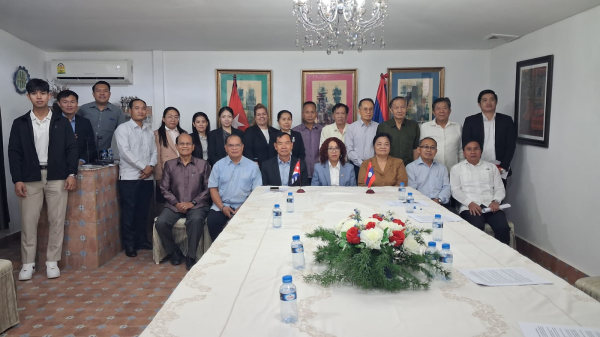
On February 19, 2026 Ambassador of Cuba Enna Viant Valdes hosted a press briefing on the current situation in Cuba. She revealed that the Cuban government has launched a diplomatic offensive across international forums, labelling a new U.S. Executive Order a "criminal act" of "energy warfare."
The measure, signed by President Donald Trump on January 29, 2026, threatens third-party nations with steep tariffs if they continue to supply oil to the island.
The "Energy Blockade": A Humanitarian Flashpoint
The centrepiece of the current crisis is the U.S. strategy to penalize oil-exporting countries. Cuban officials argue this "energy blockade" transcends traditional sanctions, directly impacting hospitals, schools, and food production.
"No nation can manage an economy or provide basic services without fuel," the government stated, drawing parallels to the 1960 Mallory Memorandum, which sought to cause hunger and desperation to undermine the revolution.
United Nations human rights experts have already voiced concern, warning that the measures violate international law and threaten a "humanitarian collapse" on the island, where blackouts already stretch up to 20 hours in some regions.
Strategic Resistance: The Shift to Renewables
Amidst the pressure, Cuba is accelerating its transition to energy sovereignty. Despite the naval blockade of traditional suppliers like Venezuela, Havana reported significant milestones. Renewable energy generation doubled from 3% to 10% in 2025 and 49 new photovoltaic parks (exceeding 1,000 MW) are now operational.
The state aims to reach 15-20% of the electricity matrix through solar and wind by year-end.
However, officials warn of a "deficit paradox": technical improvements remain "nil" for the average citizen if the fuel required for the remaining thermal grid is blocked by U.S. naval and economic pressure.
Call to the Global South
The Cuban leadership has urged the Global South to unite against "hegemonic domination." Framing the sanctions as a diversion from internal U.S. crises, Havana is leaning on its decades of "medical and scientific solidarity" to galvanize international support from allies, social movements, and former world leaders.
As the island braces for what it calls a "Special Period" level of adversity, the message remains one of defiance: "We must overcome our problems with our own talent and courage."
KPL

