KPL
Increased exports, foreign investment, and tourism are helping the Lao PDR emerge from a prolonged economic slowdown, according to a World Bank economic update released today. The report notes that further reforms in the business, finance, and infrastructure sectors will be essential to maintain this momentum.
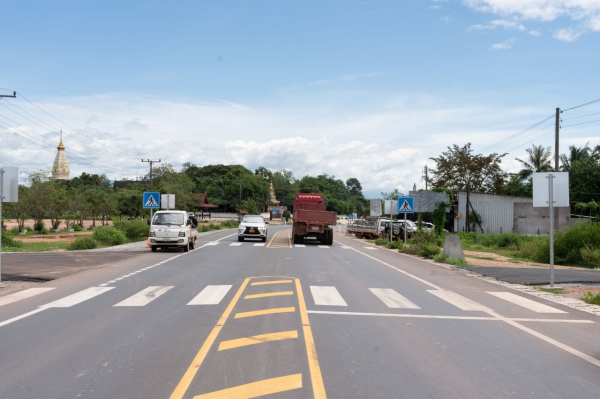
The World Bank recommends investing in climate resilient roads and an improved road preservation system as part of reforms to safeguard economic progress. Photo: World Bank © Philippe Aramburu
The update, Consolidating Recent Reform Momentum for Stability and Growth, highlights that strong foreign investment and a current account surplus are enabling Laos to gradually rebuild its foreign currency reserves, stabilizing the exchange rate and easing inflation. The World Bank estimates GDP growth at 4.2% in 2025, driven by steady gains in energy, mining, and manufacturing, along with rising regional demand for exports. This growth is helping offset the effects of low public spending and high debt service obligations.
“The Lao economy has emerged from four difficult years thanks to shrewd reforms and stronger fiscal management,” said Khwima Nthara, World Bank Country Manager for the Lao PDR. “There is now an opportunity to consolidate that momentum by continuing the reform agenda so the country can increase public spending on essential services such as education, health, and roads.”
Growth is expected to remain stable in 2026, led by the services and resource-based sectors. However, the medium-term outlook remains constrained by low productivity, skills shortages, and infrastructure gaps. The report recommends sustained reforms and deeper regional integration, including curbing tax exemptions, strengthening the legal framework for public–private partnerships, improving public debt management, enhancing commercial bank supervision, and creating a more conducive business environment.
A special section on Preserving Lao Road Assets underscores the critical role of a reliable road network in supporting growth, competitiveness, and fiscal sustainability. Well-maintained roads reduce transport costs, improve market access, and strengthen links between production hubs and borders. Conversely, weak road networks increase logistics costs, hinder private sector activity, and raise fiscal pressures due to frequent repairs and emergency maintenance.
The report notes that Lao roads are deteriorating rapidly due to climate impacts, heavy trucks, fragmented maintenance, insufficient weight control, and limited targeted investment. These factors are accelerating wear, raising lifecycle costs, and increasing vulnerability to climate-related hazards.
To address these challenges, the update outlines a unified asset management system and preservation strategies to halt further decline. It recommends stabilizing revenues for road maintenance, protecting priority road assets through strategic spending and stronger overloading controls, and improving governance and efficiency through enhanced quality assurance and greater transparency.
KPL

