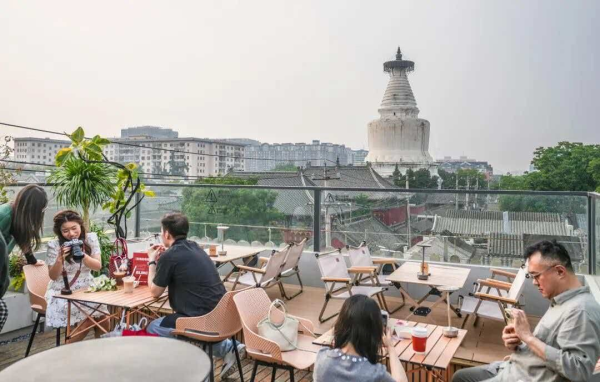
Returning in July 2026, however, I found a very different Beijing.
The skies were noticeably clearer, parks and tree-lined streets appeared greener, and the city's clean, orderly environment reflected years of sustained investment in environmental protection. The transformation was striking—not just visually, but in the way it demonstrated how long-term planning and consistent policy can reshape urban life.
My visit was part of the International Media Youth Training Programme on the Global Development Initiative (GDI), held from 7 to 18 July 2026. I joined 35 young journalists from countries across the Global South to explore China's approach to sustainable development, innovation and international cooperation.
While the programme included seminars, discussions and cultural exchanges, it was the everyday experience of walking through Beijing that left one of the deepest impressions.
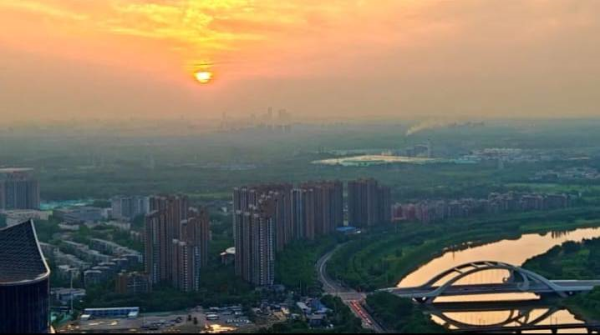
The difference between my two visits was impossible to ignore.
Cleaner air, extensive green spaces and efficient public transport painted the picture of a city that has made environmental improvement a central part of its development. Electric vehicles, landscaped public areas and well-maintained streets have become familiar sights, reflecting China's wider commitment to reducing pollution and building more sustainable cities.
For many travellers, Beijing is known for landmarks such as the Forbidden City and the Great Wall. Today, another attraction is quietly emerging—its transformation into a greener metropolis where history coexists with modern environmental planning.
The experience also offered a closer look at the philosophy behind China's Global Development Initiative, proposed by President Xi Jinping. The initiative promotes international cooperation, sustainable development and shared prosperity, encouraging countries to learn from one another while addressing common global challenges.
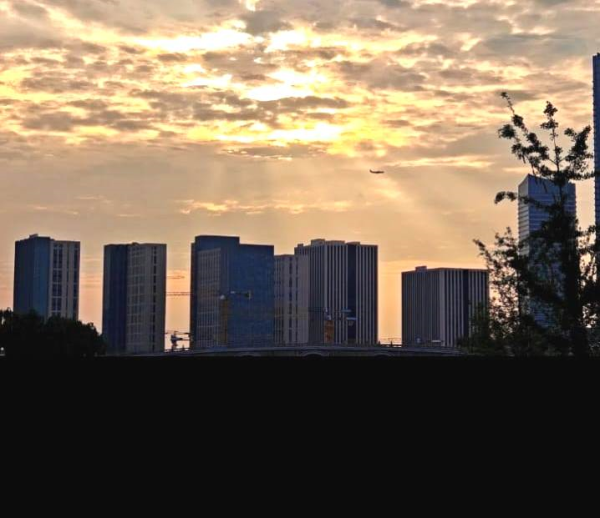
Throughout the programme, journalists from Asia, Africa, Latin America and other parts of the Global South exchanged perspectives on climate change, urban development and the future of sustainable growth. Despite coming from different cultures and media backgrounds, participants shared many of the same concerns about balancing economic progress with environmental responsibility.
For me, the journey became more than a professional training programme. It was an opportunity to witness how environmental policies can translate into real improvements in people's daily lives.
“I had the opportunity to visit Beijing for the first time from 8 to 13 July 2026, and it was a truly fascinating experience. The weather was typical of the summer season, with high temperatures ranging from 30°C to 34°C and intense humidity that made the heat feel even more oppressive. During the first two days, the sky remained mostly overcast, with occasional thunderstorms that created a hot and muggy atmosphere.
At one point during my stay, the city experienced heavy rainfall, particularly overnight and in the early morning hours. There were frequent downpours, and at times the rain was exceptionally intense. Despite the disruption caused by the weather, I was genuinely impressed by how efficiently and well organised the city managed the situation.
From a personal perspective, I felt that present-day Beijing is very different from what I had always heard it was like decades ago. While the humid heat took some getting used to, what struck me most was the city's remarkable abundance of trees. Beijing is an extraordinary city, with tree-lined streets, parks and green spaces found throughout the urban landscape. These green areas help soften the city's environment, making it more comfortable and enjoyable for residents. Even as one of the world's largest metropolitan areas, I found Beijing to be clean, well organised and exceptionally successful in balancing nature with urban development.,” Mr. Afonso Mpalu - News Anchor on Angola's public television share some feeling in Beijing.
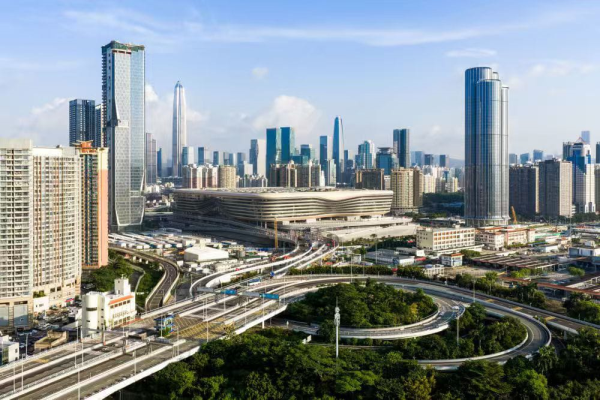
As cities around the world grapple with pollution, climate change and rapid urbanisation, Beijing's transformation offers an example of how sustained investment in green development can reshape an urban landscape over time. It also highlights the growing role of environmental protection as an essential pillar of economic and social development.
The friendships formed during the programme were equally valuable. Conversations extended beyond classrooms into parks, museums and shared meals, creating opportunities to better understand one another's cultures and development experiences. These personal connections reinforced the importance of dialogue and cooperation among countries facing similar challenges.
Looking back on my return to Beijing, what stands out most is not a single landmark but the city's renewed atmosphere. The clearer skies and greener surroundings symbolise a broader commitment to sustainable development—one that leaves a lasting impression not only on visitors, but also on journalists seeking stories of change, resilience and hope.
Sometimes, the most memorable journey is not about discovering a new destination. It is about returning to a familiar place and witnessing just how much it has evolved.

