KPL
International journalists attended a lecture on July 26 examining China's people-centered approach to poverty alleviation, with experts outlining the policies and economic reforms that enabled the country to eliminate absolute rural poverty.
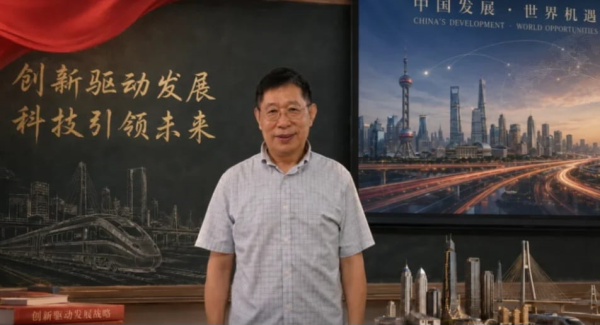
The lecture, delivered by Professor Wang Sangui of Renmin University of China, traced China's poverty reduction efforts from the late 1970s to 2020, drawing on official statistics and national policy.
According to Wang, nearly 97.5 percent of China's rural population lived below the poverty line in the late 1970s. By 2020, the country had officially eliminated absolute rural poverty. World Bank data show China's poverty rate fell from 88.1 percent in 1981 to 0.3 percent in 2018, lifting more than 800 million people out of poverty and contributing nearly 70 percent of global poverty reduction.
Wang said sustained economic growth, agricultural reform, industrialization, and urbanization formed the foundation of China's anti-poverty strategy. Following its accession to the World Trade Organization in 2001, China created millions of manufacturing jobs that helped raise rural incomes and accelerate poverty reduction.
He highlighted targeted government measures, including dedicated poverty alleviation funds, rural infrastructure projects, expanded education and healthcare services, and the introduction of precision poverty alleviation, which identified and supported individual households based on specific needs.
Under this approach, households were assessed against the "Two Assurances and Three Guarantees" standard, ensuring adequate food and clothing, compulsory education, basic healthcare, and safe housing.
Wang also noted that vocational training, agricultural subsidies, and international cooperation helped strengthen long-term income generation and supported China's efforts to achieve the UN Sustainable Development Goal of ending poverty a decade ahead of the 2030 target.
KPL

