KPL
A luxury eco-tourism project in China’s Guangxi Zhuang Autonomous Region is demonstrating how high-end hospitality can support rural revitalization by creating jobs, increasing local incomes, and promoting sustainable tourism.
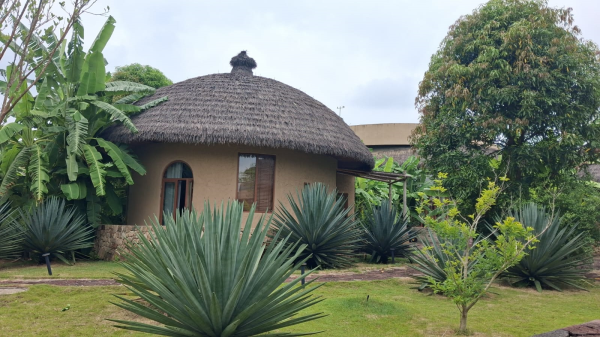
Known as the Wild Homestay Cluster, the development offers visitors an immersive nature experience while integrating modern accommodation with the region’s natural landscapes and agricultural heritage.
According to project representatives, the concept was designed to meet growing demand from urban residents seeking relief from the pressures of city life. The resort provides accommodation, dining, and leisure activities in a tranquil environment that emphasizes harmony between people and nature.
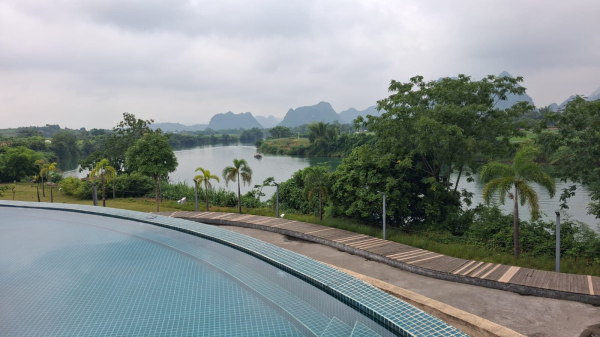
One of the project’s defining features is its distinctive mushroom-shaped villas, set against Guangxi’s karst scenery. The cluster is divided into four independently operated sections, each offering around 11 to 12 guest rooms. Nightly rates range from 2,200 to 2,600 yuan, positioning the destination in the premium eco-tourism market.
Beyond tourism, the project has become an important driver of the local economy. Around 90 percent of its workforce comes from nearby villages, and employment opportunities have reportedly increased annual incomes for local workers by between 20,000 and 30,000 yuan.
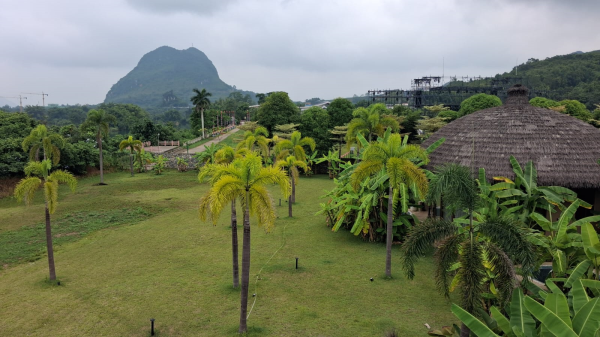
The resort also promotes agricultural tourism by allowing guests to explore nearby sugarcane and banana plantations and enjoy freshly harvested produce, strengthening connections between visitors and local farming traditions.
While most guests currently come from within China, the homestay has begun attracting international visitors from countries including Malaysia, Indonesia, and Japan, reflecting growing overseas interest in Guangxi’s eco-tourism offerings.
The Wild Homestay Cluster illustrates how combining luxury travel with community participation and environmental conservation can create sustainable economic opportunities, helping rural areas diversify their economies while preserving local identity and natural resources.
KPL

