KPL
After years working in Shanghai, entrepreneur Li Pin returned to his hometown in Anhui Province with an ambitious goal: to modernize China’s tomato industry while creating sustainable livelihoods for rural communities.
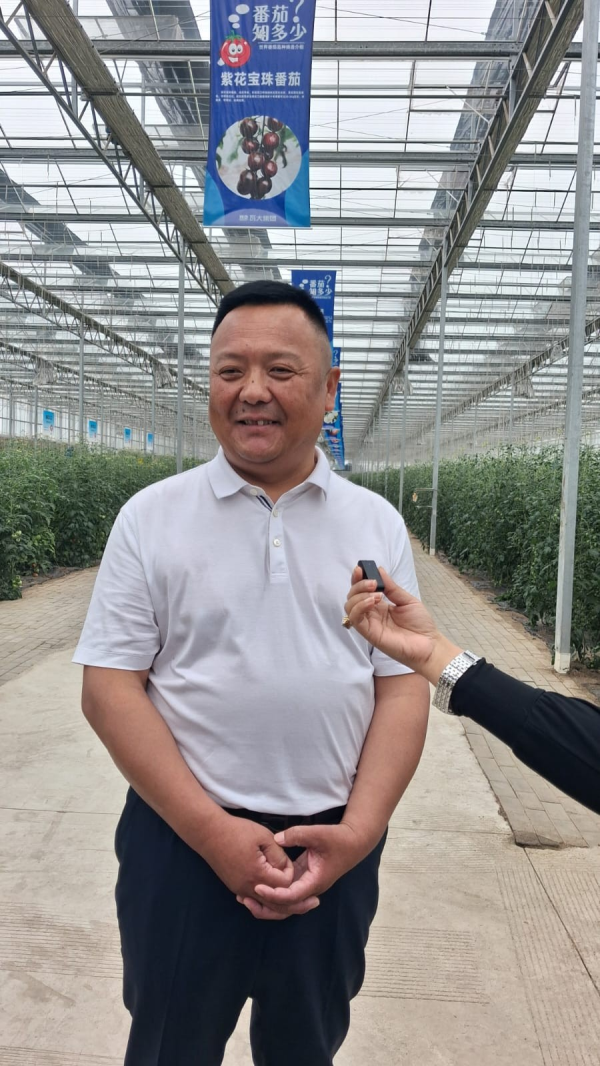
Twelve years later, his company, Wada Modern Agriculture Technology Co., Ltd., has grown into a nationwide agrotech network with nearly 300 agricultural bases across China, combining advanced greenhouse technology, premium tomato cultivation and digital logistics to serve consumers from Shanghai to Harbin.
Li shared his story during an interview with journalists from the Asia-Pacific region visiting Fuyang City on May 26.
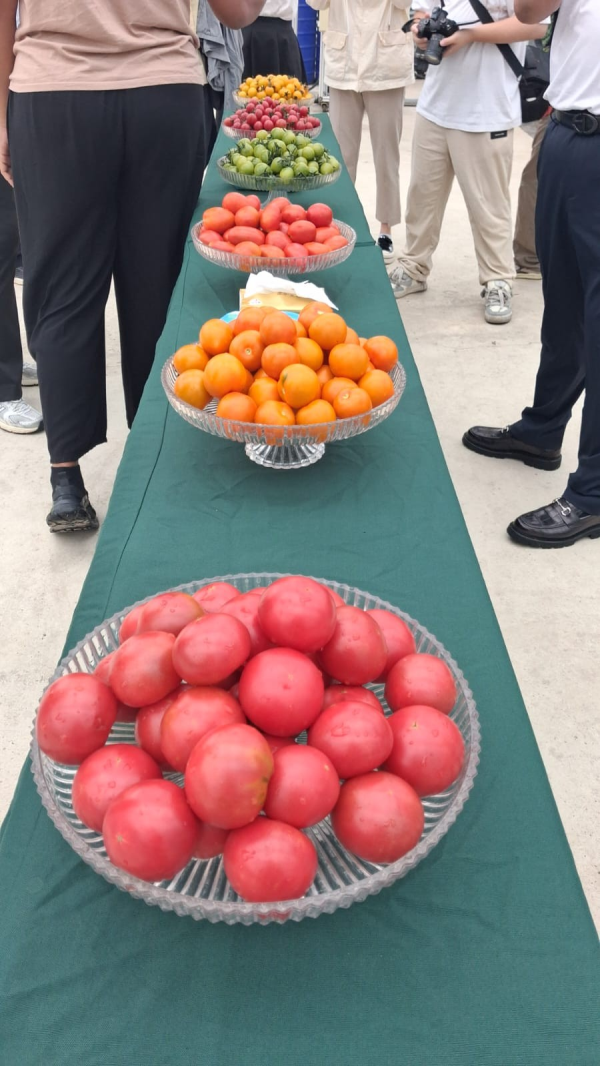
Founded in 2014, Wada Modern Agriculture focuses on producing premium tomatoes designed to balance durability, sweetness and flavor — a combination that has long challenged tomato growers.
Li explained that conventional European tomato varieties are known for high yields and resistance to pests and transportation damage but are often criticized for lacking flavor. Traditional Japanese-style tomatoes, by contrast, are sweeter and softer with a richer texture but are too delicate for large-scale distribution.
“Our goal was to combine the strengths of both,” Li said.
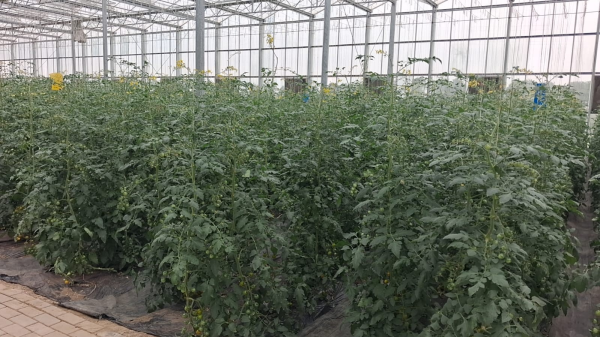
The company integrated European greenhouse systems with high-quality Japanese seed varieties and standardized cultivation methods, including the use of organic fertilizers.
Among the company’s innovations is a proprietary yellow tomato variety developed entirely in China.
Li said success in agriculture depends not only on seed quality but also on strict production standards.
“Agriculture knows no borders,” he said. “Thirty percent depends on genetics, while seventy percent comes from cultivation and management.”
One of the company’s biggest breakthroughs has been overcoming transportation challenges through China’s rapidly expanding digital economy and logistics infrastructure.
Using a direct-to-consumer model, Wada ships tomatoes nationwide through major delivery companies, including SF Express and JD Logistics. The tomatoes are packed in specially designed insulated boxes with protective netting to reduce damage during transport.
The company currently supplies fresh tomatoes for about 10 months each year through a network of growing bases stretching from southern China to Inner Mongolia and the northeastern city of Harbin.
Li said production is expected to increase to between 40,000 and 50,000 kilograms later this year.
Despite the company’s commercial success, Li said his broader mission is centered on rural revitalization rather than profits alone.
“Agriculture is not just business,” he said. “Its success cannot be measured only by money. We want to build an ecological agricultural chain where local people have stable work and sustainable incomes.”
The company’s expansion has helped integrate farmers into higher-value agricultural supply chains, contributing to poverty reduction and rural development in several regions.
Wada’s premium tomatoes have become especially popular among middle-class consumers in major Chinese cities such as Shanghai, Nanjing and Hangzhou, where demand for high-quality agricultural products continues to grow.
Looking ahead, Li said the company hopes to eventually expand internationally under China’s Belt and Road Initiative and share agricultural technology and expertise with other countries.
“Agriculture belongs to all humanity,” he said. “We are willing to share our experience and technology with the world.”
From a small hometown farming project to a modern agrotech enterprise, Li’s journey reflects China’s broader push toward technological agriculture, sustainable development and rural economic revitalization.
KPL

