KPL
At Dongkhamxang Agriculture Technical College, Comprehensive Sexuality Education (CSE) begins with understanding students’ daily lives, listening to their concerns and helping them make informed decisions before problems escalate.
Mr. Sommoud Phisakha, Deputy Head of the college’s Student Affairs Division and CSE coordinator, monitors student welfare, including their adjustment to college life, dormitory living, peer pressure and emerging risks.
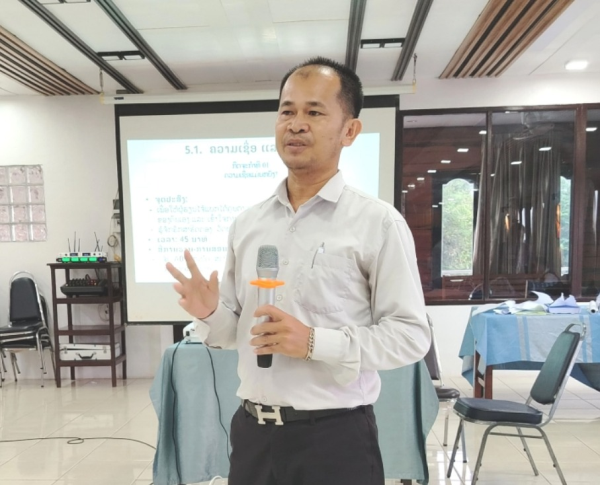
“One of the main challenges is helping students adjust to living together, especially those staying in dormitories,” he said. He also noted concerns about the use of kratom-infused drinks among a small group of students.
Sommoud began his career as a political science teacher before becoming involved in sexuality education through training programmes. In 2018, when the Department of Vocational Education began working with the United Nations Population Fund (UNFPA) on CSE teaching manuals, he became more deeply involved. He later trained other teachers and became a master trainer.
At the college, CSE messages reach students through homeroom teachers, integration into existing subjects and interactive activities such as drama and role-play. These activities allow students to explore real-life situations involving sexual health, relationships and decision-making in ways they can relate to.
Sommoud said he had observed positive changes in students’ awareness and understanding, as well as greater openness among teachers and staff to discussing sexuality education.
However, limited teaching time remains a major challenge. CSE does not yet have dedicated hours in the vocational education curriculum, so teachers must incorporate it into other subjects or organize activities outside regular class time. This makes it difficult to reach all students consistently.
Sommoud believes CSE should be formally included in the vocational curriculum with dedicated teaching hours. He also called for more video-based learning materials to reflect students’ preferences and make lessons more engaging.
“Students today are more interested in video content than printed brochures,” he said.
The UNFPA Representative in the Lao PDR said teachers’ experiences were important in ensuring CSE addressed the challenges young people face, including peer pressure, online influences, violence, relationships and health.
“Sommoud’s experience shows the value of practical teaching methods, trusted teachers and a curriculum that gives young people space to learn before they are confronted with risk,” the representative said.
At Dongkhamxang Agriculture Technical College, Sommoud continues to help students develop knowledge and skills beyond their technical studies, encouraging them to understand themselves, respect others and seek support when needed.
KPL

