KPL
(KPL) The landscape in Vientiane Province varies from the flat, fertile alluvial plains of the Mekong River Valley to rugged limestone mountains in the northern and western part of the province.
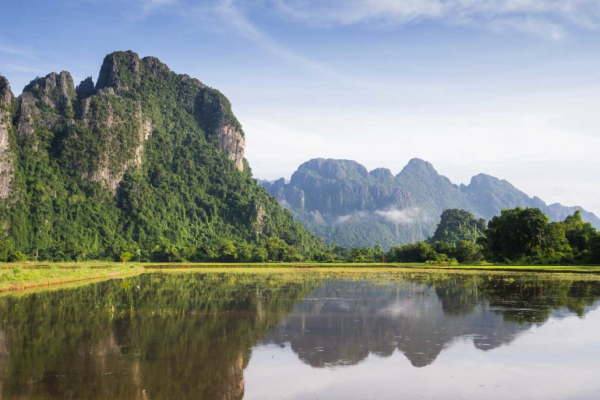
(KPL) The landscape in Vientiane Province varies from the flat, fertile alluvial plains of the Mekong River Valley to rugged limestone mountains in the northern and western part of the province. Vientiane Province is well-known for having the highest mountain peak in Laos, the 2,819 meters Phou Bia. Outside of the main provincial towns, the countryside is a beautiful, lush green mosaic of rice paddies, tropical fruit trees, and jungle vegetation dotted with quaint villages where traditionalarchitecture and lifestyles can be seen.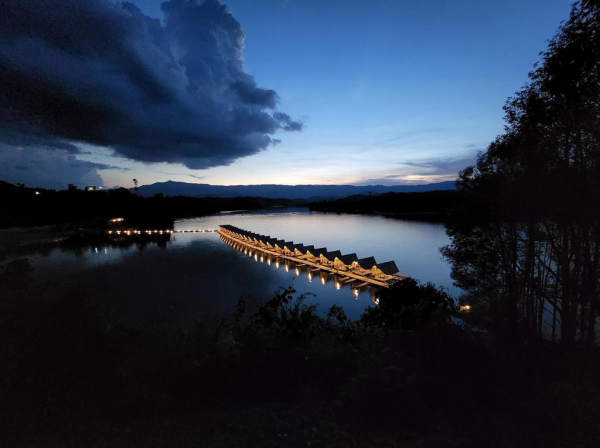
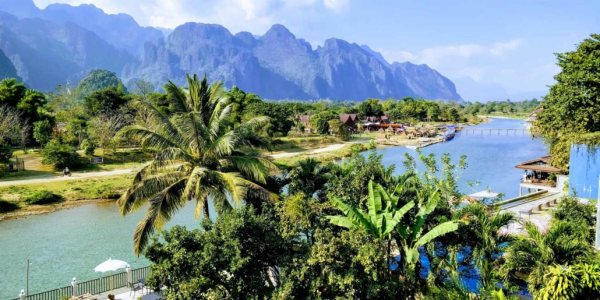
The small town of Vang Vieng, 150 kilometers north of the capital, is set in a dreamlike landscape of bizarre limestone mountain peaks and sheer cliffs with the Nam Song River bisecting the town. At the base of the town’s limestone mountains are a network of caves to explore. There are a variety of well-developed tourism services in Vang Vieng and a wide range of accommodations. Water sports such as kayaking and tubing are popular and rock climbing is also a growing pastime. For those who prefer less exhausting travel, Vang Vieng’s sights include several 16th and 17th century monasteries and the small Hmong villages of Nam Som and Nam Muang.
Meuang Feuang, a 90-minute drive from Vientiane, began glowing on domestic tourists’ radar screens during the pandemic. Many stay at Ban Lao Meuang Feuang on the Nam Lik River and the surrounding nature, as the property offers an attraction in and of itself.
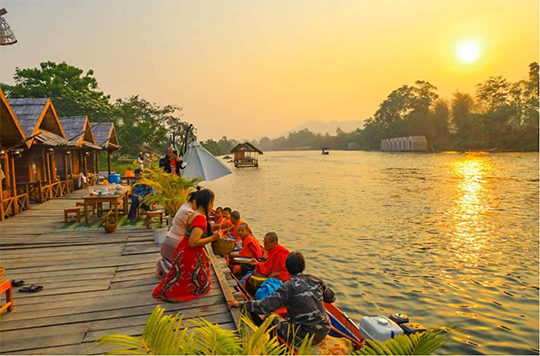
Just off of route 13 north are two of Vientiane Province’s better known attractions – a small man-made reservoir known as Nong Nok near Ban Sivilay that has great bird watching and the ancient Vang Xang Buddha images and sculptures that are carved into the side of a sandstone escarpment.
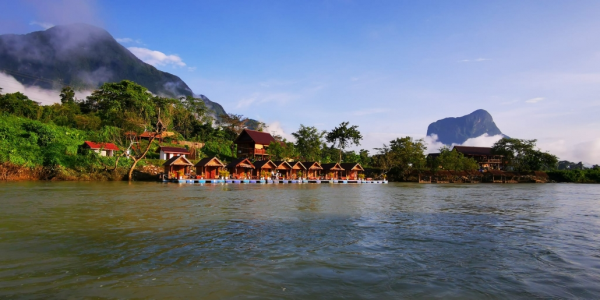
Because there are so many water bodies brimming with aquatic life, various types of prepared and preserved fish have become legendary in Vientiane province. First is the heavily-salted, fermented fish known as “pa daek” that can be purchased along route 13 near Hin Heub. And then there is “koy paa” (sour and spicy minced fish salad), “kaeng paa” (fish soup) and “neung paa” (a delicious dish of steamed fish and fresh herbs) served at floating restaurants on the arteries of the Nam Ngum Reservoir near Thalad Village and Vang Vieng. At the organic farms in Vang Vieng you can also try mulberry shakes and purchase mulberry leaf tea, mulberry wine, jellies and jams.
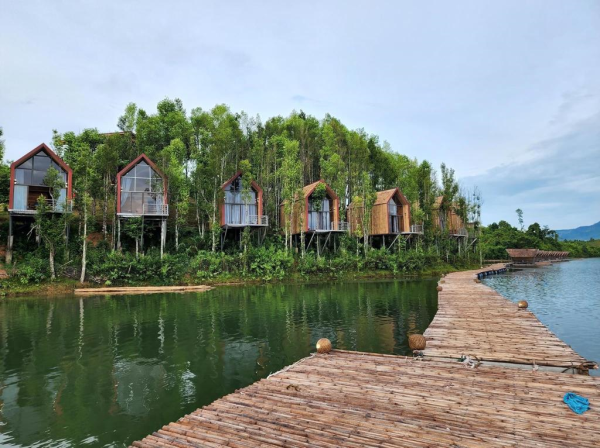
With so many water bodies and pleasant warm weather, Vientiane Province is a great place to get soaked during the Lao New Year or Pi Mai Lao celebrations in mid-April. In every village, district capital and especially the main tourist center of Vang Vieng, Pi Mai Lao is not worth missing.
Vientiane Province is located in the centre of Laos, about 70km from Vientiane Capital.
https://www.tourismlaos.org/central-provinces/vientiane-province/#prev
KPL

