KPL
(KPL/VNA) Facing mounting pressure from the rapid growth of household waste, Indonesia is accelerating initiatives to convert waste into energy (WtE) as a key pillar of its green growth and circular economy strategy.
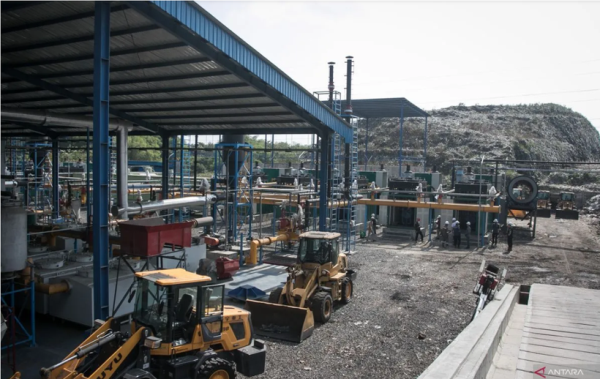
(KPL/VNA) Facing mounting pressure from the rapid growth of household waste, Indonesia is accelerating initiatives to convert waste into energy (WtE) as a key pillar of its green growth and circular economy strategy.
Under the programme, the national strategic investment management agency (Danantara) will provide investment capital, while state-owned electricity utility Perusahaan Listrik Negara (PLN) will be responsible for purchasing and distributing the electricity generated.
Indonesia generates an estimated 35–60 million tonnes of waste annually, nearly 60% of which is organic. Therefore, environmentally friendly waste management is no longer an option but a necessity. Instead of continuing landfill disposal, which causes pollution and resource waste, the government is seeking to transform organic waste into an alternative energy source to fossil fuels, while creating new economic value.
The WtE programme aims not only to address waste treatment challenges but also to establish a long-term ecosystem that integrates environmental protection with local economic development. Danantara will co-develop, co-own and co-manage WtE plants with local authorities, ensuring compliance with technical and environmental standards as well as stable access to investment capital.
However, major challenges remain, including governance issues, unclear waste treatment fees, and constraints in capital mobilisation. Danantara is expected to help bridge these gaps by ensuring a stable supply of feedstock, offering long-term contracts, and maintaining a transparent investment environment. In the initial phase, the programme will prioritise four to five locations in Jakarta before expanding to other major cities in Java and Bali, among a total of 33 urban areas participating nationwide.
According to estimates, every 1,000 tonnes of waste can generate approximately 15 MW of electricity. During the 2025–2034 period, Indonesia aims to produce a total of 453 MW of electricity from waste, with total investment estimated at 2.72 billion USD.
If implemented effectively, the programme is expected to help local governments improve economic productivity, increase budget revenues, and enhance the living environment for residents.
Converting waste into electricity is not only a solution to Indonesia’s prolonged environmental challenges, but also an opportunity to develop a modern, sustainable waste management system closely aligned with the country’s long-term green growth objectives.
KPL

