Located in the heart of Beijing, the Palace Museum—commonly known as the Forbidden City—covers approximately 72 hectares and stands as the largest and best-preserved ancient wooden palace complex in the world. Constructed between 1406 and 1420 during the Ming Dynasty, it served as the residence of 24 emperors and the political center of China for nearly five centuries under the Ming and Qing dynasties.
The transformation of the imperial compound into a public museum reflects one of the most significant chapters in modern Chinese history.
According to local historians, the palace was originally known as the Forbidden City because access was strictly restricted. Under the imperial system, the emperor was regarded as the “Son of Heaven,” holding supreme authority and occupying a position between heaven and the people. As a result, ordinary citizens were prohibited from entering the palace grounds.
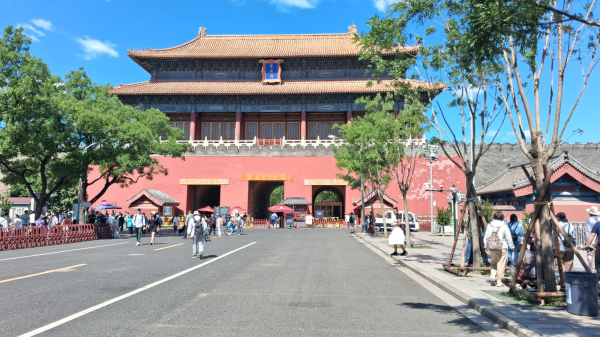
Following the 1911 Revolution, which brought an end to imperial rule in China, the former royal complex gradually opened to the public. The Palace Museum was formally established in 1925, allowing citizens and visitors to experience firsthand one of the most important symbols of Chinese civilization.
Today, the site is known by two names: the Forbidden City, reflecting its imperial past, and the Palace Museum, highlighting its present role as a public cultural institution dedicated to preserving and showcasing China’s rich historical heritage.
The Palace Museum remains one of China’s most treasured cultural landmarks. The vast complex contains nearly 10,000 rooms and houses an extraordinary collection of imperial artifacts, historical documents, paintings, ceramics, and cultural relics accumulated over centuries.
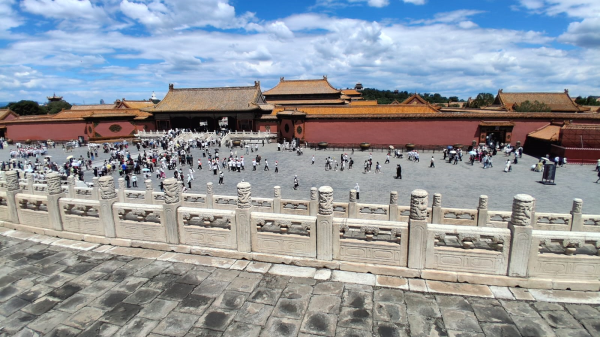
Recognized as a UNESCO World Heritage Site, the museum serves as a living record of Chinese history, architecture, governance, and traditional culture. For many Chinese people, it remains a powerful symbol of national identity and cultural continuity.
As global interest in Chinese history and culture continues to grow, the Palace Museum faces the challenge of preserving its priceless heritage while accommodating millions of visitors each year.
Annual visitation has reached remarkable levels, with more than 19 million visitors recorded in peak years. To protect the centuries-old wooden structures and ensure a high-quality visitor experience, authorities have implemented strict conservation and visitor-management measures.
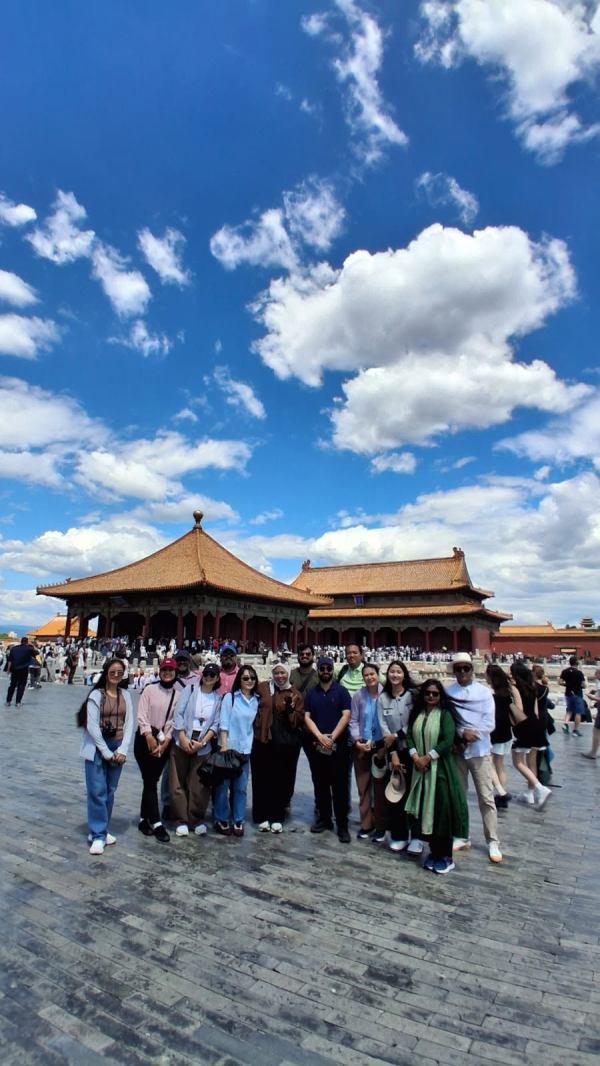
The museum currently limits attendance to a maximum of 80,000 visitors per day and operates an advanced reservation system to regulate visitor flow, reduce overcrowding, and safeguard the integrity of the historic site.
As international journalists visited the Palace Museum on June 9, the historic complex stood not only as a monument to China's imperial past but also as a model of cultural preservation in the modern era.
From an exclusive residence reserved for emperors to a world-renowned museum open to all, the Palace Museum reflects China's commitment to preserving its cultural heritage while sharing it with the global community. Today, it remains one of the most visited and admired historical landmarks in the world, connecting past and present through the enduring legacy of Chinese civilization.

