KPL
Beijing’s iconic Forbidden City, officially known as the Palace Museum, continues to stand as one of China’s most treasured cultural and historical landmarks, welcoming an average of 40,000 visitors each day. This steady stream of both domestic and international tourists reflects the enduring fascination with China’s imperial past and architectural grandeur.
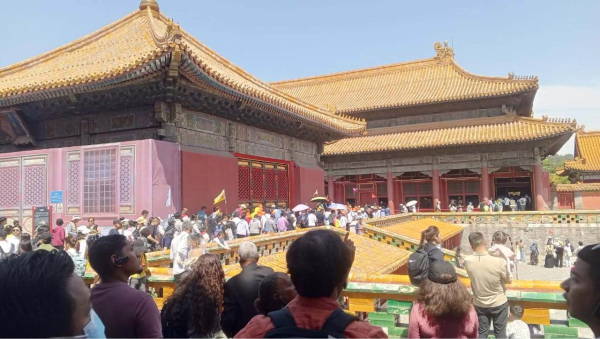
(KPL) Beijing’s iconic Forbidden City, officially known as the Palace Museum, continues to stand as one of China’s most treasured cultural and historical landmarks, welcoming an average of 40,000 visitors each day. This steady stream of both domestic and international tourists reflects the enduring fascination with China’s imperial past and architectural grandeur.
Built between 1406 and 1420 during the Ming Dynasty, the Forbidden City served as the political and ceremonial heart of Chinese imperial rule for more than 500 years. A total of 24 emperors from the Ming and Qing dynasties once ruled from within its formidable red walls, which stretch across 720,000 square meters in the heart of Beijing. The complex includes 980 meticulously preserved buildings and over 70 palaces and halls, making it the world’s largest wooden structure complex and palace compound.
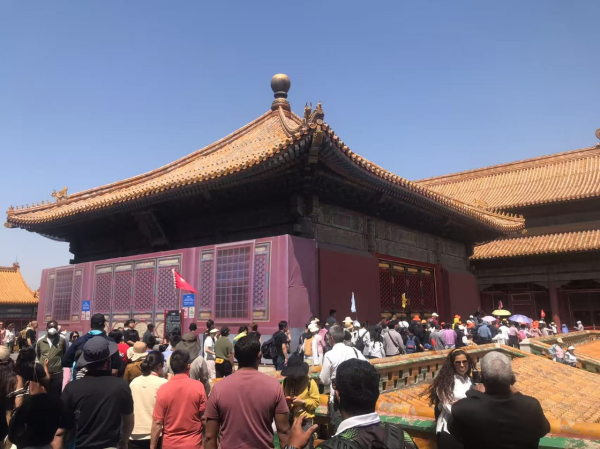
The architectural design of the Forbidden City is not only majestic but also deeply symbolic. Every element of its layout adheres to traditional Chinese principles of harmony and order. Distinctive golden rooftops, ornate dragon carvings, and rich red lacquered walls embody the authority and grandeur of the ancient imperial court. Each of the tower buildings is adorned with unique artworks dating back to the Ming Dynasty, giving visitors a direct window into China's imperial artistry.
Beyond its architectural marvel, the Forbidden City houses one of the most comprehensive collections of Chinese antiquities. The Palace Museum boasts a staggering collection of more than 1.8 million cultural relics, including imperial paintings, calligraphy, jade ornaments, ceramics, ancient texts, royal garments, and ceremonial utensils. These artifacts collectively represent centuries of craftsmanship and cultural evolution, offering rich insights into China’s artistic and political history.
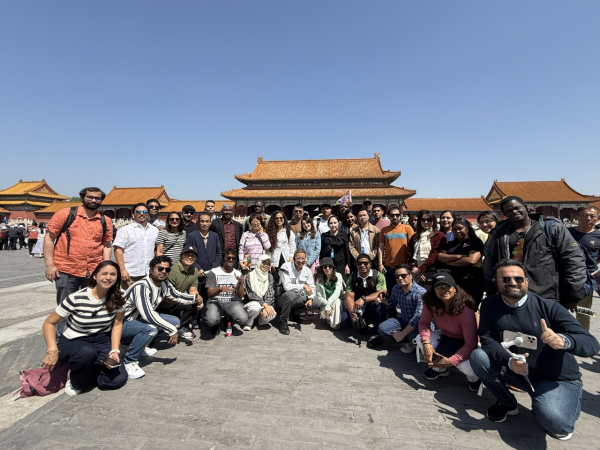
On April 29, the Forbidden City served as a key destination for over 30 international journalists from the Asia-Pacific, Latin America, Arabia, and the Caribbean, who visited as part of the 2025 Study Tour and Exchange Program hosted by the China International Press Communication Center (CIPCC). The visit underscored China’s efforts to strengthen cultural diplomacy and global awareness of its historical heritage.
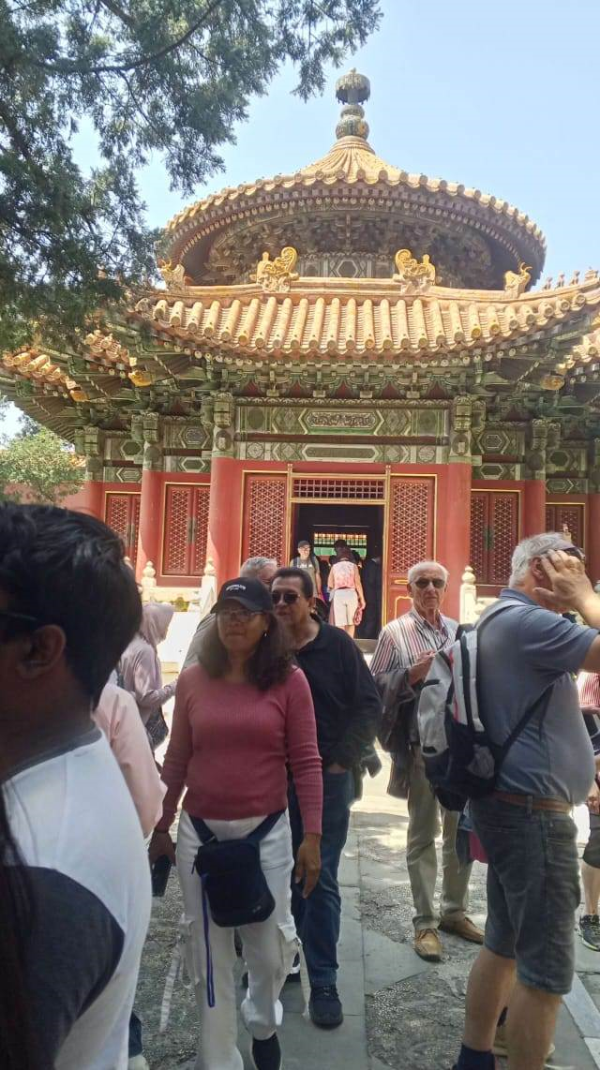
As the Palace Museum continues to attract tens of thousands of daily visitors, it remains not only a major tourist destination but also a symbol of China’s historical resilience and cultural depth. With ongoing preservation and educational initiatives, the Forbidden City is more than a monument of the past—it is a living bridge between China’s imperial history and its contemporary global identity.
KPL

