KPL
Phaivy Siboualipha, President of the People’s Supreme Court (PSC) has outlined an ambitious five-year strategy to modernise the country’s judicial system, as part of broader state reforms.
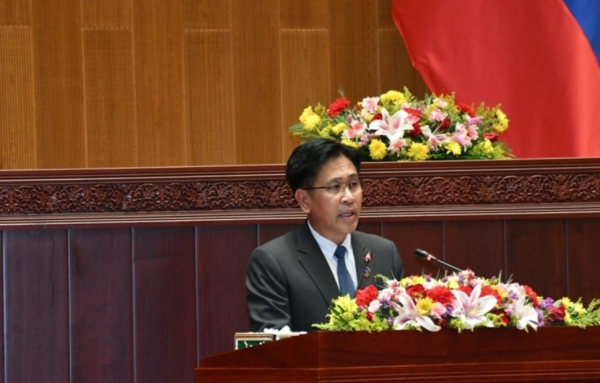
Phaivy Siboualipha, President of the People’s Supreme Court (PSC) has outlined an ambitious five-year strategy to modernise the country’s judicial system, as part of broader state reforms.
Presenting the 2026–2030 plan to the National Assembly of Laos on 24 March, he said the reforms would focus on strengthening the rule of law, improving efficiency, and expanding access to justice.
The session was chaired by Sounthone Xayachak, Vice President of the National Assembly.
Progress in the previous term
Reviewing the 2021–2025 period, Mr Phaivy said the courts had made notable progress in streamlining legal procedures, improving the professionalism of judges, and expanding the court system to local areas.
He added that judicial processes had become faster and more consistent, while training programmes had enhanced both technical skills and ethical standards among court personnel.
Key priorities for 2026–2030
The new plan sets out a series of reforms aimed at building a more modern and transparent judiciary.
Authorities plan to improve case management systems, strengthen courtroom procedures, and ensure rulings are based firmly on evidence. Legal reforms are also expected, including updates to key laws governing court operations and administrative proceedings.
The strategy places emphasis on developing specialised judges, improving infrastructure, and expanding access to justice—particularly in underserved areas.
International cooperation is also expected to deepen, especially with regional partners in Southeast Asia.
Targets and performance goals
The court has set measurable targets for the next five years, including raising the proportion of highly rated judges to more than 85% and establishing at least six additional local courts.
It also aims to improve case resolution rates across different categories, with criminal cases targeted at 90% or higher.
Officials say efforts will also focus on reducing appeal rates and increasing public confidence in court decisions, while continuing to modernise administrative systems and legal frameworks.
KPL

