
From Poverty to Prosperity: How Simola Village Built a Sustainable Path to Development

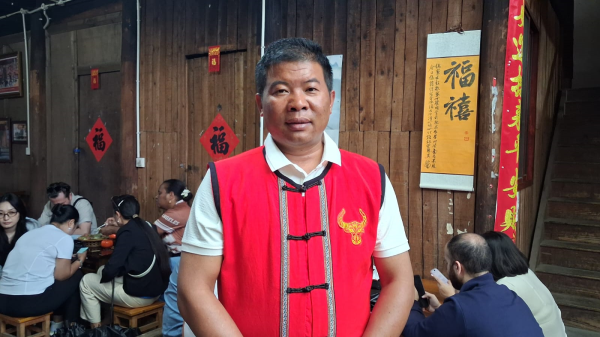
For decades, residents relied on subsistence farming, cultivating crops such as rice and maize with little certainty of stable income. Limited access to electricity, clean water, and transportation left the village largely disconnected from outside markets and opportunities.
Today, Simola is home to 73 households with around 300 residents and has become an example of how targeted investment and local initiative can transform a rural economy. According to Zhao Jiaqing, Deputy Mayor of Qingshui Town, the village’s transition from poverty alleviation to rural revitalization has helped create jobs locally and encouraged many young people to remain in or return to their hometown.
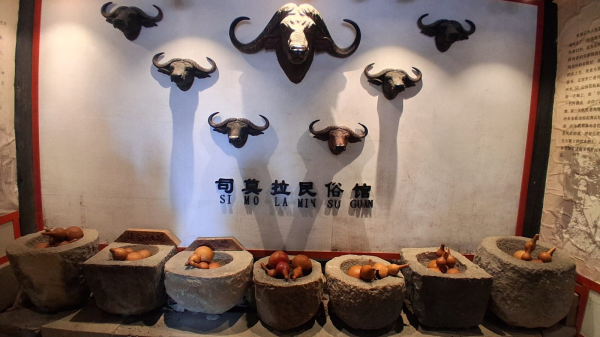
The transformation began with major improvements in infrastructure, including roads, utilities, and public services. However, officials say long-term success was achieved by shifting the local economy away from subsistence agriculture toward tourism and service industries.
Land consolidation and investment promotion enabled more efficient agricultural production, including the cultivation of higher-value crops such as rapeseed. At the same time, the village developed tourism-related businesses that now account for the majority of local economic activity.
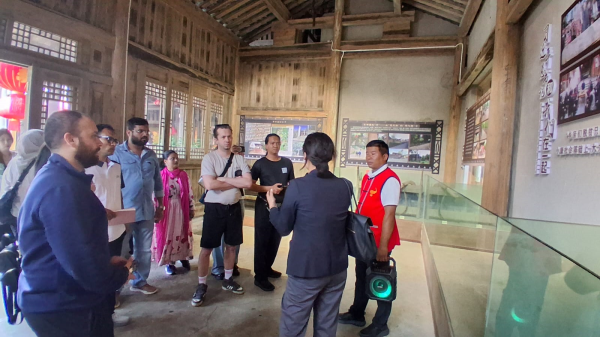
A key element of Simola’s development has been a three-way cooperation model involving government authorities, village cooperatives, and private investors. Under this approach, public investment provides infrastructure and commercial facilities, private operators manage businesses and create employment opportunities, while local residents participate as shareholders and receive dividends from collective enterprises.
The model has supported the establishment of community businesses, including cafés, souvenir shops, accommodation services, and food production facilities, generating new income streams for villagers.
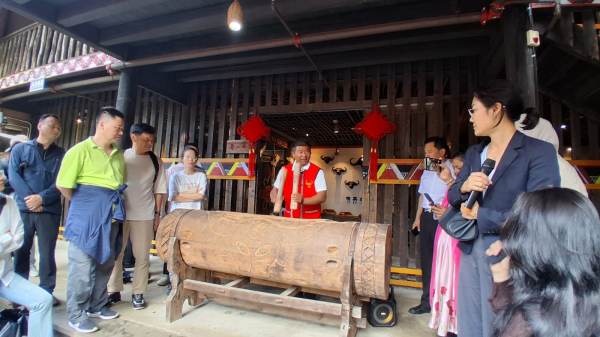
Equally important has been a shift in mindset among local residents. Instead of leaving for distant cities in search of work, many have chosen to start businesses or work within the village. Some residents now combine employment in local enterprises with operating family-run guesthouses and other tourism services, creating multiple sources of household income.
The results have been significant. Simola welcomed approximately 641,000 visitors over the past year, providing a strong boost to the local economy. Around one-quarter of the village’s population now consists of young people who have stayed or returned to participate in local development.
For the Wa ethnic community, Simola demonstrates that preserving cultural heritage and embracing modern economic opportunities can go hand in hand. By investing in infrastructure, attracting private capital, promoting tourism, encouraging entrepreneurship, and involving local people in economic decision-making, the village has created a sustainable pathway out of poverty and laid the foundation for long-term prosperity.
The experience highlights several key lessons for rural development: improve basic infrastructure, diversify income sources, attract investment, empower local communities through ownership and participation, and create opportunities that enable people to build successful lives without leaving their hometowns.