
Lao Broadcast Highlights Workers’ Lives and Korea Ties

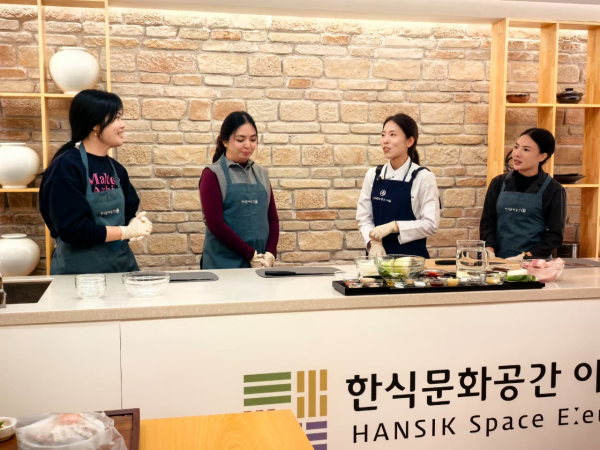
Taking viewers beyond the familiar streets of home, the programme followed a day in the life of a Lao restaurant in Seoul and explored the experiences of Lao seasonal workers harvesting onions in Muan, Jeollanam-do Province.
Through conversations with workers and everyday scenes from their lives, the documentary offered a personal perspective on the contributions of Lao people working in the Republic of Korea, while capturing the human connections that link the two countries.
Reporter of LNTV Souphaksone Silaphet spoke with Lao seasonal workers in the onion fields, bringing their experiences and voices directly to audiences back home.
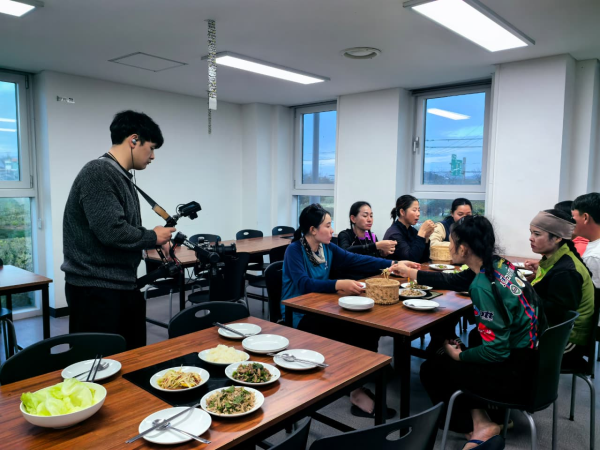
The programme concluded with an optimistic message about the future of bilateral relations: “The people of Laos and Korea are ready to develop together and move towards a bright future.”
A Warm Meal was among eight special television programmes, comprising 12 episodes, broadcast across seven ASEAN countries – Thailand, the Philippines, Viet Nam, Indonesia, Laos, Malaysia and Cambodia – from 13 to 18 November. The programmes were produced in cooperation with the Republic of Korea's Ministry of Culture, Sports and Tourism (MCST).
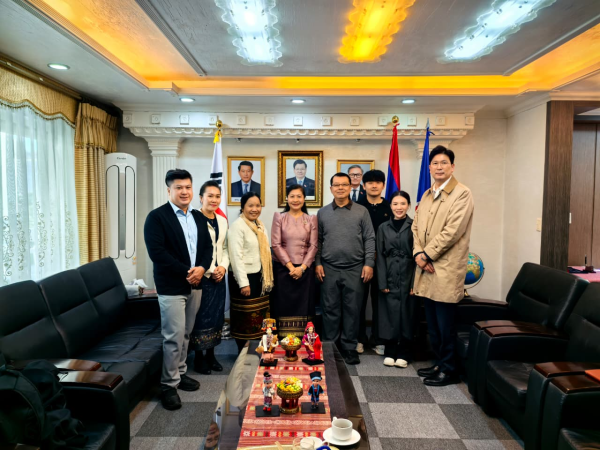
The initiative was organised alongside the 49th ASEAN Summit, held in Manila, the Philippines, from 15 to 17 November. Television crews from participating countries travelled to the Republic of Korea to report first-hand on developments and everyday life, visiting artificial intelligence (AI) facilities, farming communities, veterans' and care facilities, traditional markets and royal palaces.
Each programme offered a distinctive perspective, shaped by the voices and experiences of its own presenters and reporters. The Philippines' GMA Network, for example, brought Korean locations directly to its viewers through live broadcasts over three consecutive days.
The programmes also reflected the growing breadth of cooperation between the Republic of Korea and ASEAN. At the Korea-ASEAN Summit in Manila on 16 November, President Lee Jae Myung proposed the Korea-ASEAN AI Companionship Initiative and the Korea-ASEAN Cultural and Creative Industries Initiative.
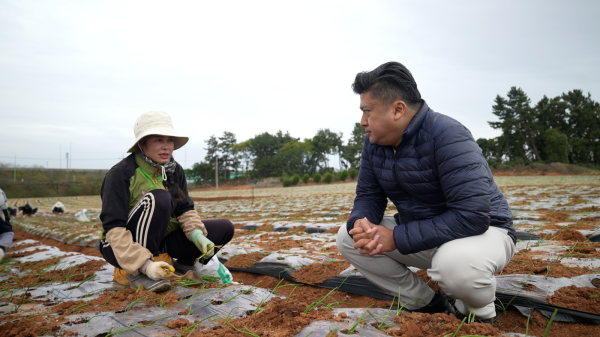
Reporter Souphaksone Silaphettalking with seasonal workers in an onion field in Muan, Jeollanam-do
Reflecting these priorities, television coverage varied across the participating countries. Programmes from Thailand and Viet Nam focused largely on people-centred AI and young people learning to use the technology. Those from the Philippines and Laos highlighted seasonal workers, care and the everyday significance of sharing meals, while Indonesia, Malaysia and Cambodia explored traditional culture and cultural heritage.
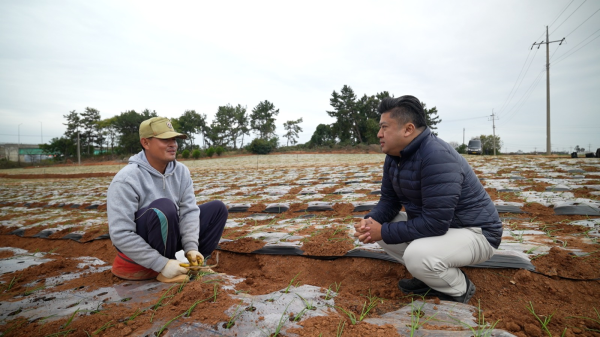
Reporter Souphaksone Silaphettalking with seasonal workers in an onion field in Muan, Jeollanam-do
Together, the broadcasts offered more than a showcase of Korea's technology, culture and development. They brought audiences closer to the people, communities and everyday experiences behind the growing relationship between Korea and ASEAN.
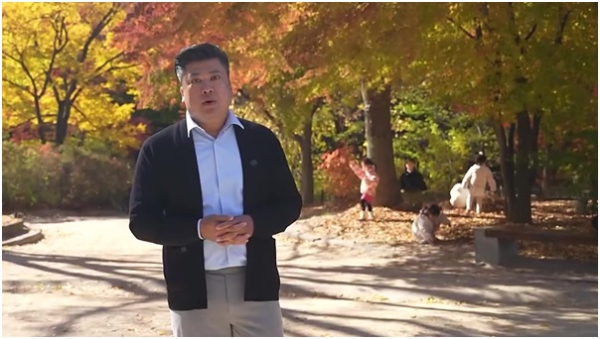
For Lao viewers, A Warm Meal delivered a particularly meaningful message: even far from home, a familiar greeting, a shared meal and the kindness of others can create a sense of belonging. And sometimes, the strongest connections between countries begin with something as simple as asking, “Have you eaten?”